The Amalfi Coast's cliffside villages above the turquoise Tyrrhenian Sea

Vacations / Europe

Italy

Cities, coastline, food, and history in one country.

Destination Overview

About Italy

Italy is a country that rewards careful routing. Most first-time visitors try to see too much in too few days; a better approach is two or three bases and slow travel between them. Rome, Florence, and Venice are the classic triangle, but adding the Amalfi Coast, the Tuscan countryside, or the lakes turns a good trip into a memorable one.

The food changes every hundred miles. Roman pasta is carbonara and cacio e pepe; Florence is bistecca and ribollita; Venice is seafood and cicchetti; Naples is the pizza capital of the world. Eating well is not an activity in Italy — it is the structure of the day, and it is the thing most travelers remember longest.

Logistics are the part worth planning carefully. High-speed trains connect Rome, Florence, and Venice in under two hours each, but smaller towns and coastal areas often require a rental car or a regional train. Summer is hot and crowded; spring and fall are quieter and more comfortable for sightseeing.

Italy suits almost every traveler — couples, families, food lovers, first-time Europe visitors, and repeat travelers who come back to explore a region in depth. The single biggest mistake is trying to do the whole country in one trip.

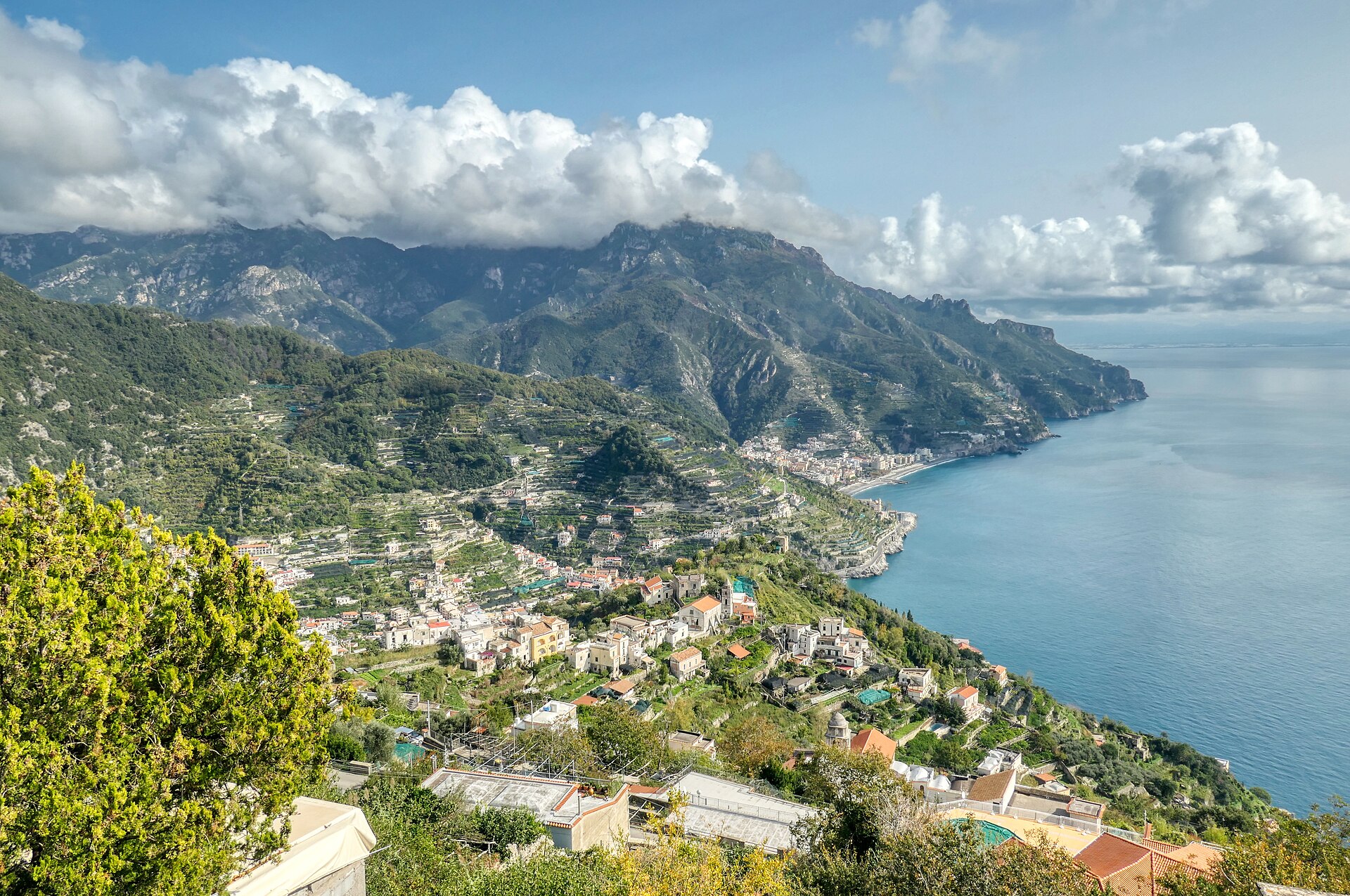
Photo Gallery

Italy in photos

Tap any photo to open the full-screen gallery.

Top Attractions

The best things to see in Italy

What to prioritise, why it is worth your time, and roughly how long to allow.

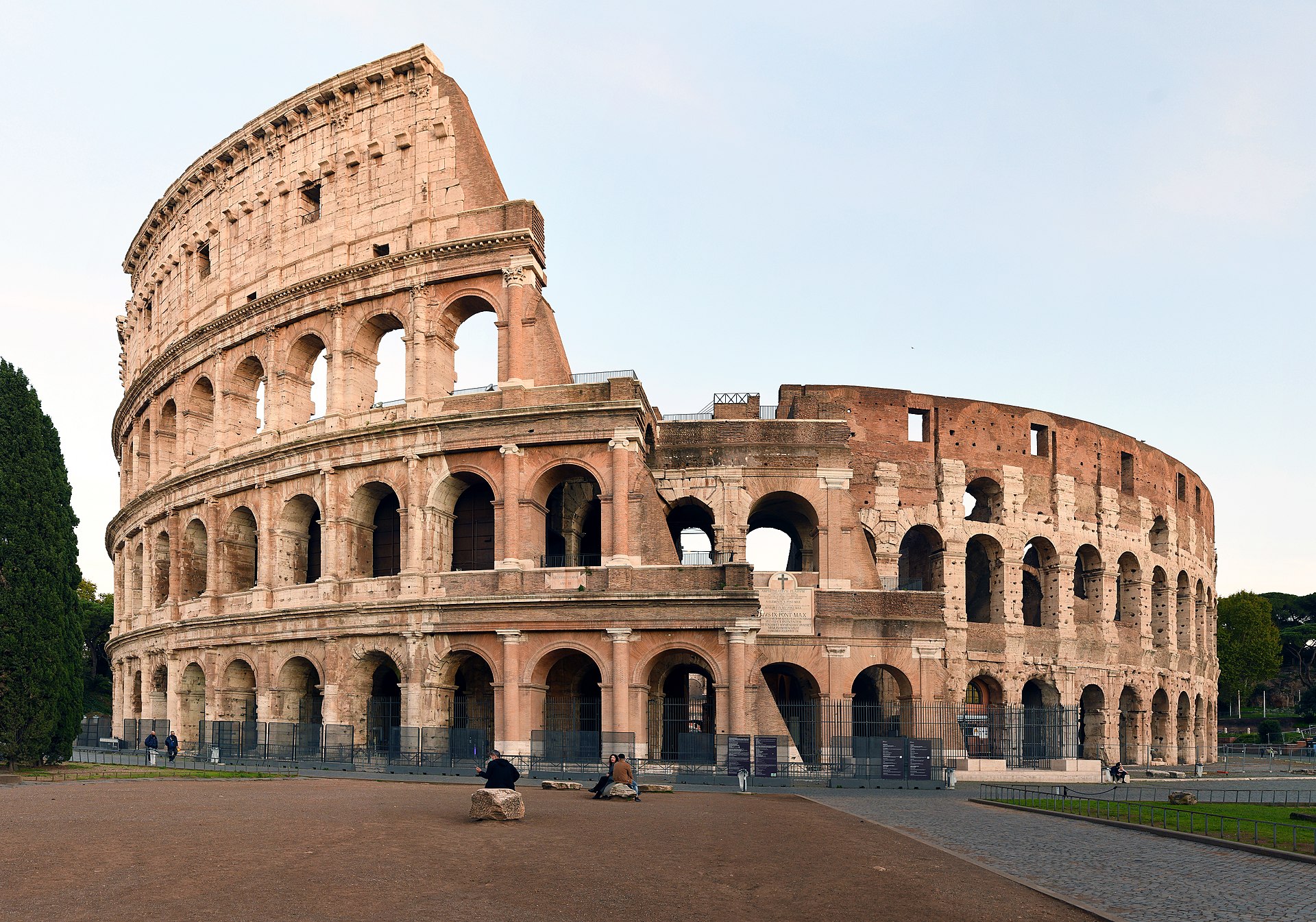
The Colosseum in Rome

The Colosseum & Roman Forum

The Roman Empire's most famous arena and the political ruins beside it, together the core of ancient Rome. A combined ticket covers both sites plus Palatine Hill.

Why go: The single most important ancient site in the city, and the place to begin a Rome trip.

3–4 hours

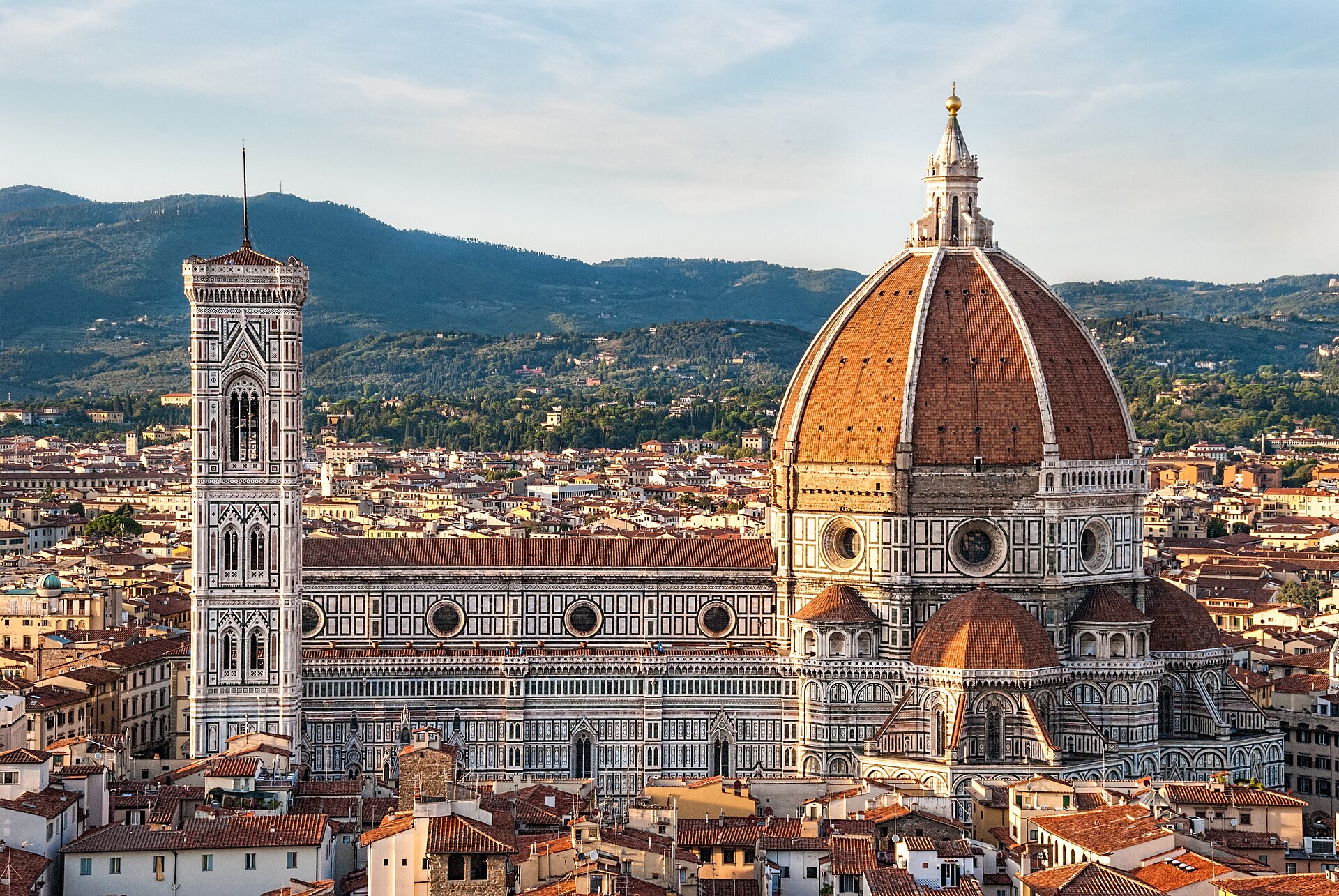
Florence Cathedral and the city skyline

Florence & the Uffizi

The birthplace of the Renaissance: Brunelleschi's dome, the Uffizi Gallery (Botticelli, Caravaggio, Leonardo), the Ponte Vecchio, and Michelangelo's David at the Accademia.

Why go: The densest concentration of Renaissance art in the world, all within a walkable historic center.

1–2 days

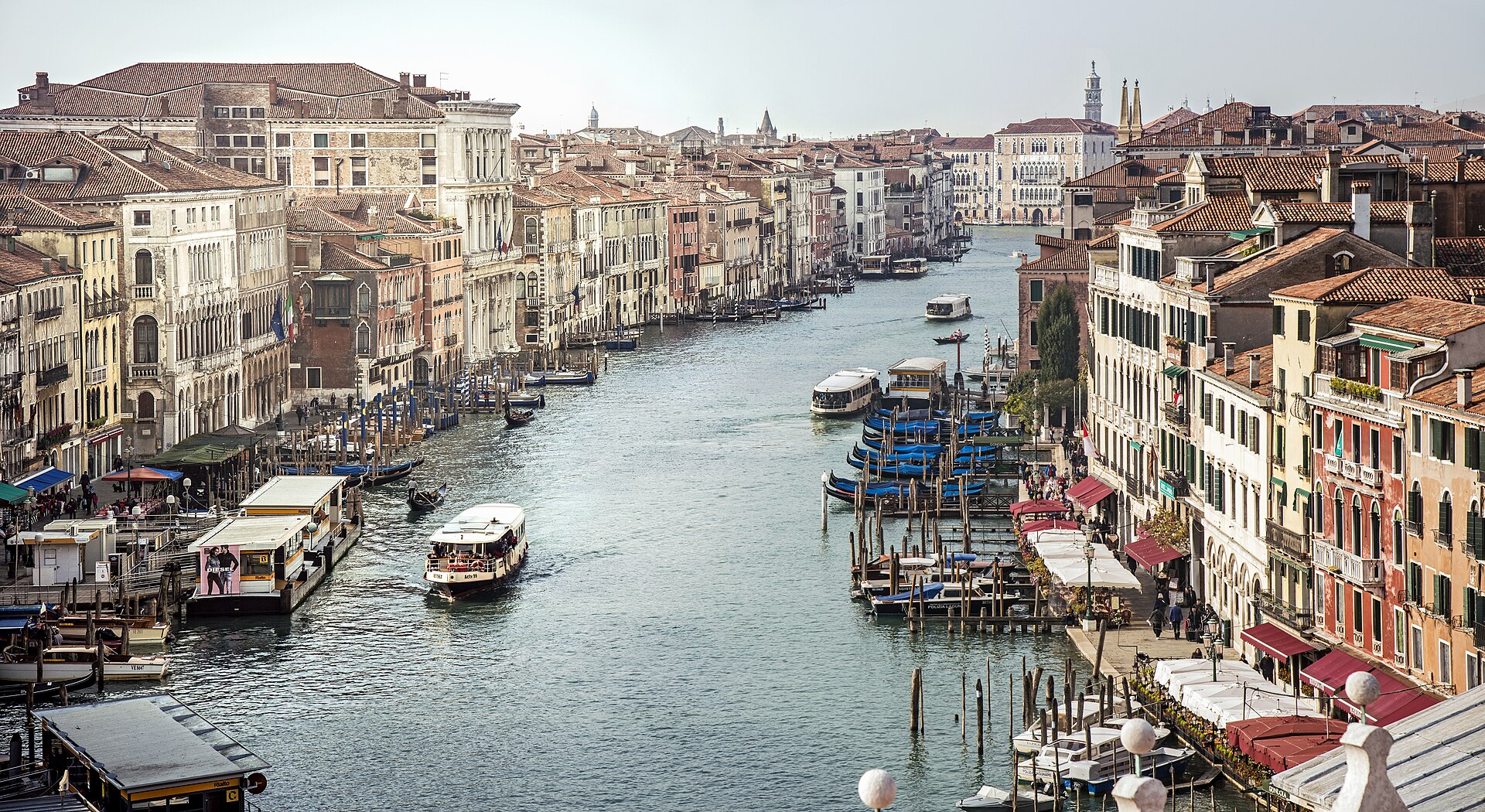
Grand Canal in Venice

Venice

A city of canals built on 118 small islands, with St. Mark's Square, the Doge's Palace, the Rialto Bridge, and gondola rides through narrow waterways. No cars, no noise — just boats and walking.

Why go: There is nowhere else like it. Go for the architecture, stay for the quiet back-canal walks at dawn.

1–2 days

Amalfi Coast cliffside villages

The Amalfi Coast

A 30-mile cliffside drive south of Naples, past Positano, Amalfi, and Ravello, with dramatic views of the Tyrrhenian Sea. Often combined with Capri and Pompeii.

Why go: One of the most scenic coastal drives in Europe, and the romantic highlight of a southern Italy trip.

1–2 days (or a 3-night base)

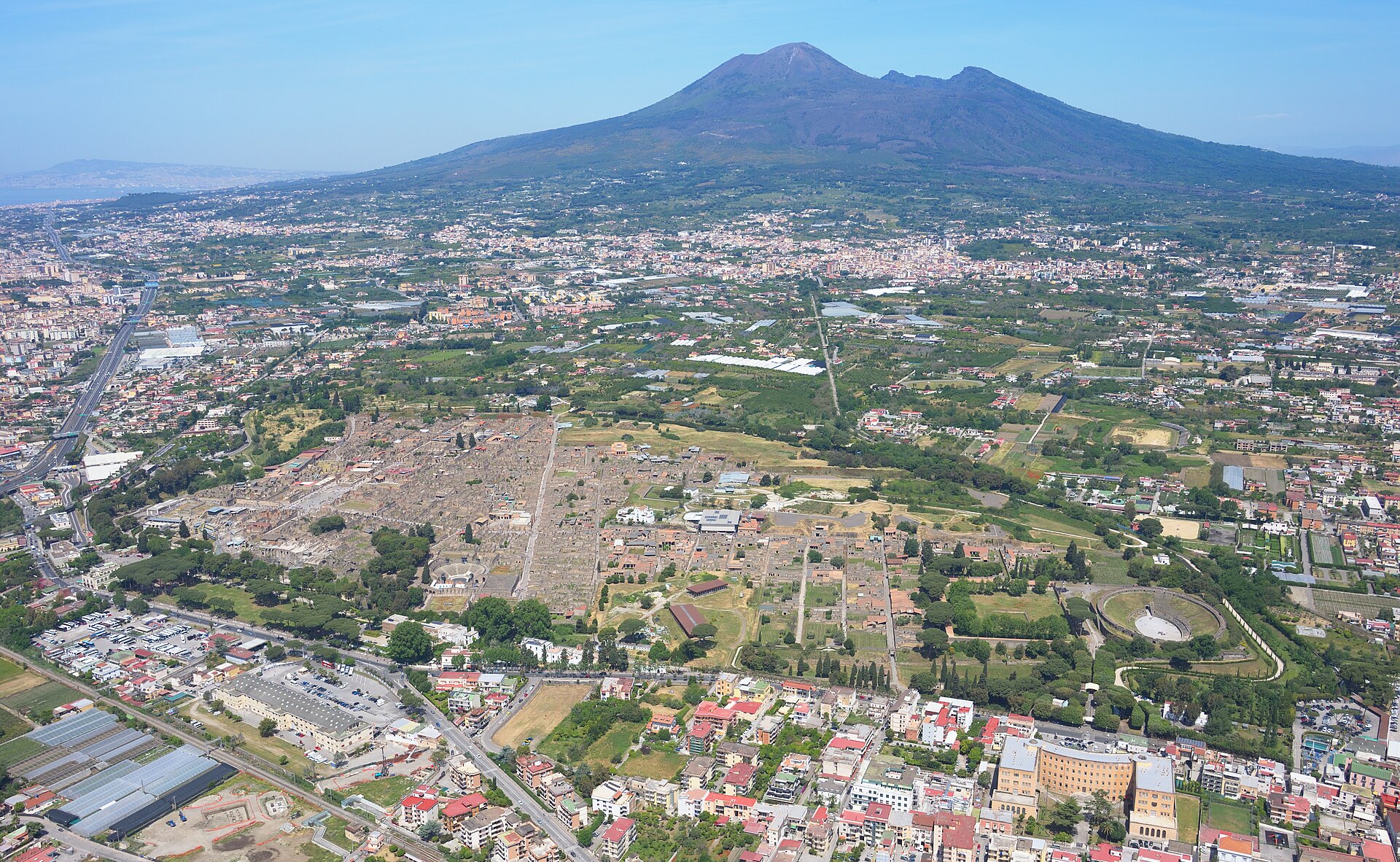
Pompeii ruins with Mount Vesuvius

Pompeii & Herculaneum

Two Roman cities buried by Vesuvius in 79 AD and excavated almost intact: streets, frescoes, bakeries, and plaster casts of the residents. Pompeii is larger; Herculaneum is better preserved.

Why go: The most vivid Roman archaeological sites in the world, and an easy day trip from Naples or the Amalfi Coast.

Half day each

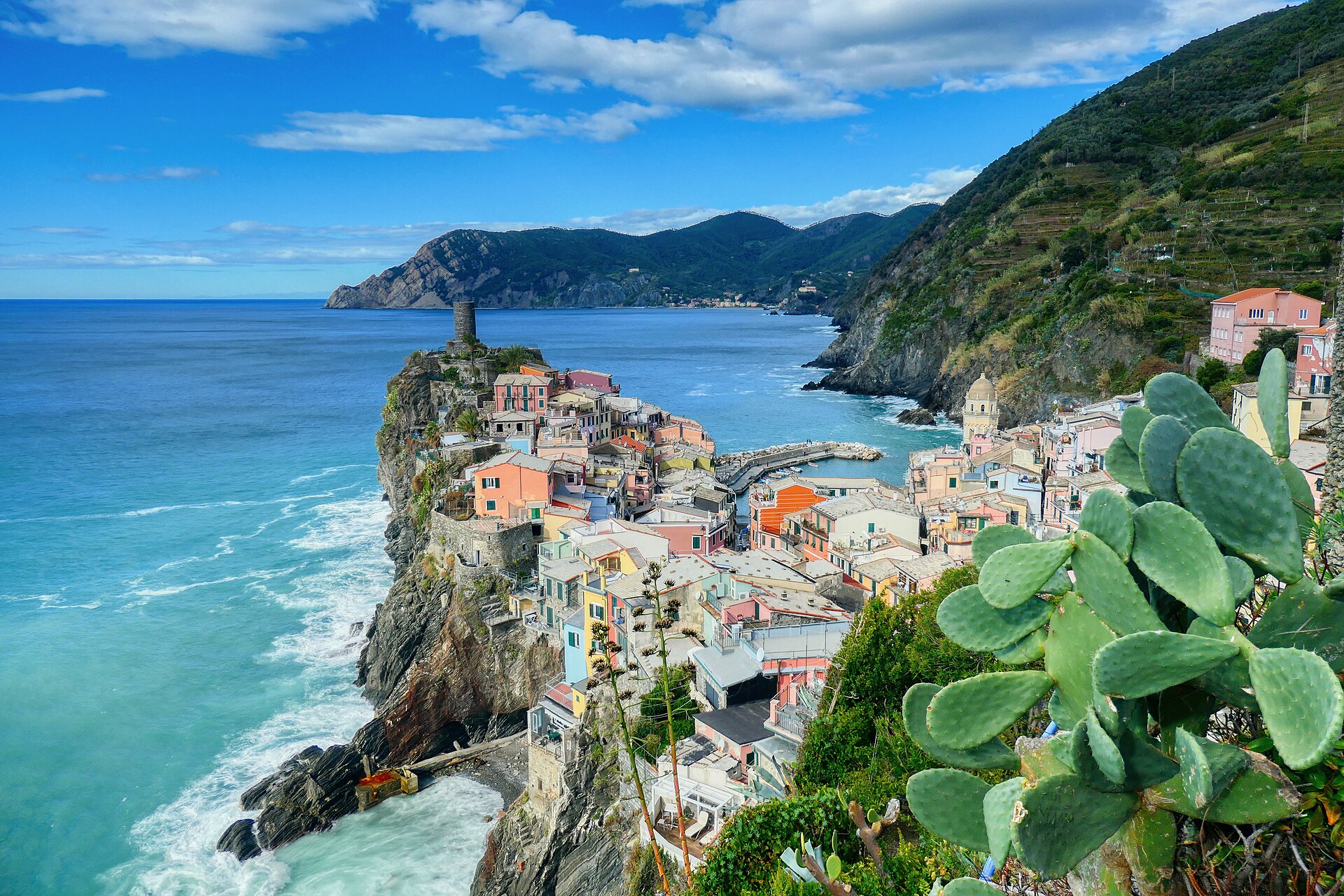
Cinque Terre colorful villages

Cinque Terre

Five pastel fishing villages on the Ligurian coast, connected by hiking trails, a local train, and boats. Vernazza and Manarola are the most photographed; Monterosso has the best beach.

Why go: The most scenic coastal hiking in Italy, with swimming and seafood in every village.

1–2 days

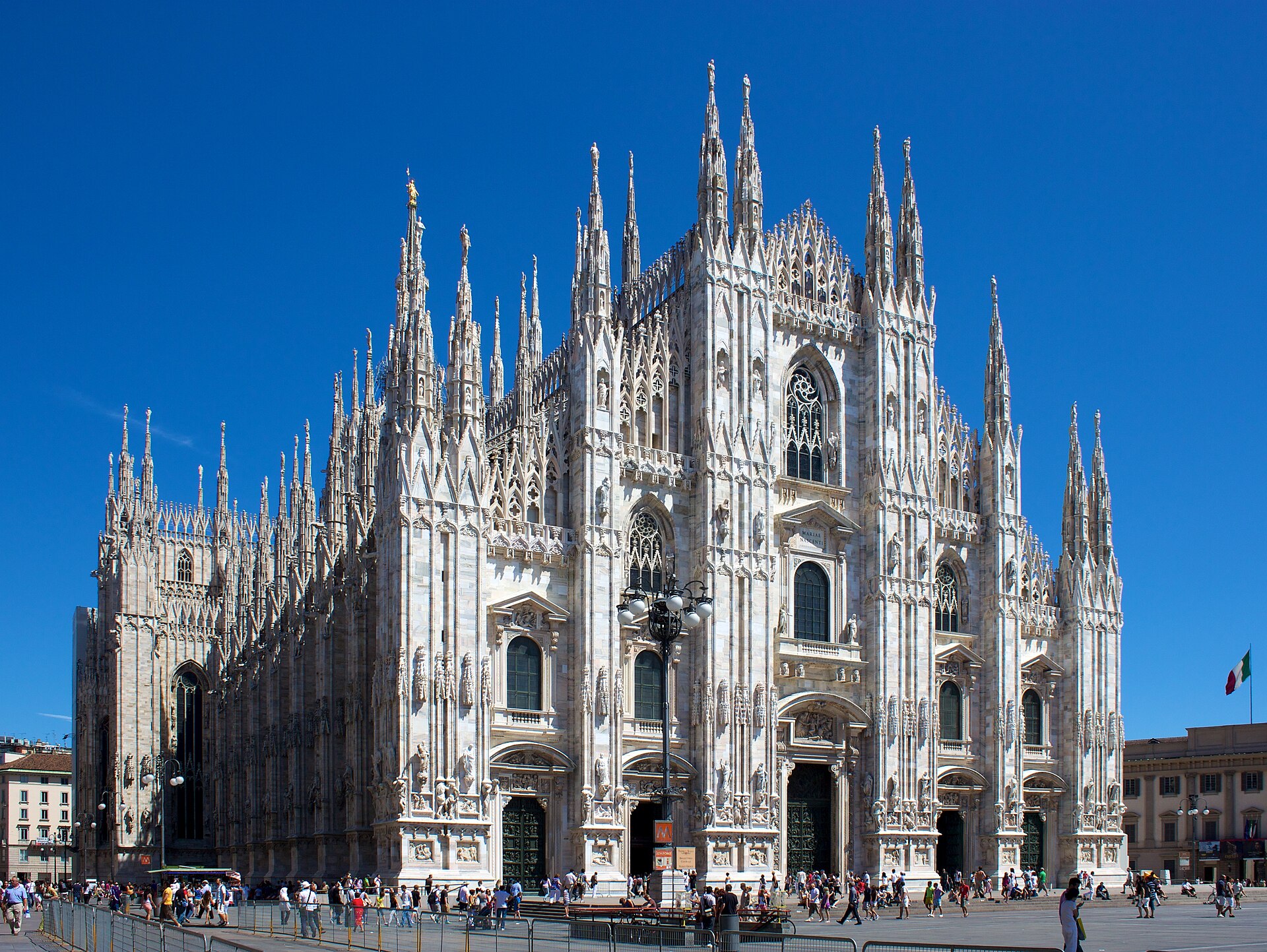
Milan Cathedral gothic spires

Milan & Lake Como

Italy's fashion and finance capital, with the Duomo, Leonardo's Last Supper, and the Brera art gallery. A short train north reaches Lake Como, the most elegant of the Italian lakes.

Why go: Milan for culture and shopping, Como for villa gardens and alpine lake scenery — a strong city-plus-lake combination.

1–2 days in Milan, 2–3 nights at the lakes

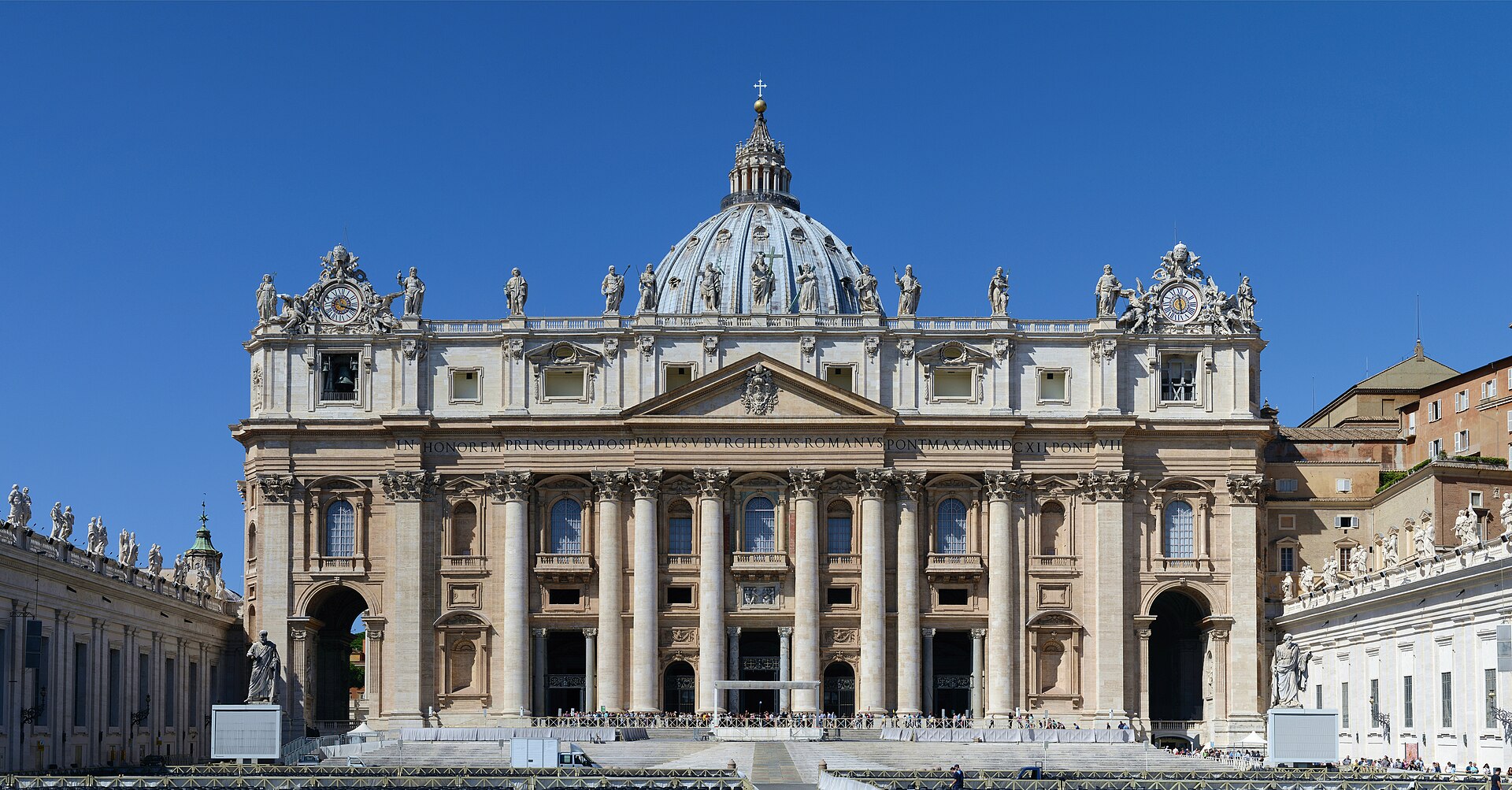
St. Peter's Basilica in Vatican City

Vatican City & St. Peter's

The world's smallest country, inside Rome: St. Peter's Basilica, the Vatican Museums (including the Sistine Chapel), and the Vatican Gardens. Book skip-the-line tickets weeks ahead.

Why go: The Sistine Ceiling and St. Peter's dome are unmissable, and the museum queues are the worst in Rome without a pre-booked ticket.

Half day to full day

Want these built into a real itinerary?

Send us your dates and travelers and we'll put together a Italy trip with flights, hotels, and the experiences worth booking ahead.

Things To Do

Ways to spend your days in Italy

Grouped by the kind of trip you're planning.

Art & museums

  • Uffizi Gallery, Florence. Botticelli's Birth of Venus and the best Renaissance collection in the world. Book ahead.
  • Accademia, Florence. Michelangelo's David and unfinished prisoner statues. Timed entry, book ahead.
  • Vatican Museums, Rome. The Sistine Chapel, Raphael Rooms, and the Gallery of Maps. Half a day minimum.
  • Borghese Gallery, Rome. Bernini sculptures and Caravaggio paintings in a small villa. Strict timed entry.

Food & wine

  • Food tour in Rome or Florence. Trastevere in Rome or the Mercato Centrale in Florence — the best way to learn what to order.
  • Chianti or Brunello wine tasting. A day in Tuscany's vineyards with lunch at the winery.
  • Pizza in Naples. The birthplace of pizza margherita; L'Antica Pizzeria da Michele and Sorbillo are the classics.
  • Cooking class. Fresh pasta making in Bologna, Florence, or the Amalfi Coast — usually a half-day with lunch.

Outdoors & coast

  • Cinque Terre hiking. The Blue Trail connects all five villages; the Vernazza–Monterosso section is the most scenic.
  • Amalfi Coast boat tour. See Positano, Amalfi, and the Li Galli islands from the water — better than driving.
  • Tuscan countryside drive. Val d'Orcia: cypress roads, hill towns like Pienza and Montalcino, and thermal baths at Bagno Vignoni.
  • Capri day trip. Boat from Sorrento or Amalfi; the Blue Grotto and Anacapri views are the highlights.

Day trips

  • Tivoli (Hadrian's Villa & Villa d'Este). A Roman emperor's estate and a Renaissance fountain garden, 45 minutes from Rome.
  • Pisa & Lucca. The Leaning Tower in the morning, Lucca's walled town by bike in the afternoon.
  • Orvieto & Civita di Bagnoregio. Two dramatic hill towns between Rome and Florence.
  • Murano, Burano & Torcello. Glassblowing, lace, and a quiet cathedral in the Venice lagoon.

Where To Stay

Best areas to stay in Italy

Location matters more than star rating. Here's what each area is actually best for.

Rome (historic center)

First-timersArt & historyWalking everywhere

Stay near the Pantheon, Piazza Navona, or Trastevere to walk to the Colosseum, Vatican, and most restaurants. Hotel rooms are small and rates are high; the convenience is worth it.

Florence (city center)

Art loversCouplesWalkable stays

The historic center is compact — everything is within a 15-minute walk of the Duomo. Stay near Santa Maria Novella for easy train access, or Oltrarno for a quieter, local feel.

Venice (San Marco / Cannaregio)

CouplesRomancePhotographers

San Marco puts you near St. Mark's and the Rialto; Cannaregio and Dorsoduro are quieter and more local. Avoid mainland Mestre unless budget forces it — you lose the Venice experience.

Amalfi Coast (Positano / Amalfi / Ravello)

HoneymoonsCouplesScenic drives

Positano for the cliffside glamour, Amalfi for the town life and cathedral, Ravello for the quiet and the gardens. All involve stairs; pack light.

Tuscany (countryside / Siena)

Wine loversFamiliesSlow travel

A villa or agriturismo in Val d'Orcia or Chianti is the classic base for hill towns, wineries, and cooking. Siena itself is a walkable city alternative.

Recommended Stays

Where we book clients in Italy

A cross-section by budget. Send us any property — including one you found online — and we'll check our rate before you book.

Rome's Colosseum at golden hour

Luxury

Luxury hotels, Rome & Florence

Rome / Florence

Five-star properties near the major sites with rooftop bars, spa, and concierge. We check preferred-partner rates against what you see online and often add breakfast or upgrades.

Venice Grand Canal

Upscale

Boutique hotels, Venice & Amalfi

Venice / Amalfi Coast

Small canal-side or cliffside properties with character — the romantic sweet spot in both cities. Book early; the best ones sell out months ahead.

Italian coastal scenery

Best Value

Agriturismi & villa hotels, Tuscany

Tuscany

Farm stays and villa hotels with pools, cooking, and wine. The best value in Italy for families and week-long stays.

Mid-Range

Mid-range city hotels

Rome / Florence / Milan

Clean, well-located three- and four-star hotels a short walk from the center. Rooms are small but you're paying for location.

Family-Friendly

Family-friendly resorts & apartments

Tuscany / Amalfi / Lakes

Apartments with kitchens in Florence and Rome, and resort-style properties with pools in Tuscany and the lakes. We'll match the right option to your group size.

Hotel suggestions are editorial recommendations based on location and traveler fit. Availability, room categories, and rates are confirmed at the time of quoting.

When To Go

Best time to visit Italy

Weather, crowds, and what the season does to pricing.

Season by season

Best overall
April to June and September to October
High season
July and August — hot, crowded, and the most expensive. Coastal areas are at peak.
Shoulder season
April to June and September to October — warm, lighter crowds, better value. The best months for most travelers.
Low season
November to March — cold and wet in the north, mild in Rome and south. Lowest rates, few crowds, some reduced hours.

Weather

Northern Italy has distinct seasons; Rome south is Mediterranean with mild, wet winters and hot, dry summers.

Crowds

Worst in July–August and at Easter; best in February and November.

Pricing

Summer rates can be 50–80% above shoulder season for the same room, especially in coastal areas.

Month-by-month weather

MonthAvg highAvg lowConditionsGood for
January54°F / 12°C38°F / 3°CCold and damp in the north; mild in Rome and south
February55°F / 13°C39°F / 4°CQuiet season; Carnival in Venice
March61°F / 16°C43°F / 6°CWarming up, spring flowers
April66°F / 19°C48°F / 9°CPleasant, occasional showersBest value + weather
May75°F / 24°C55°F / 13°CWarm and green; ideal for sightseeingPeak shoulder
June82°F / 28°C62°F / 17°CWarm and long daysLast good month before crowds
July88°F / 31°C66°F / 19°CHot and humid, peak crowdsHigh season
August88°F / 31°C66°F / 19°CHottest month; many shops close in citiesPeak beach season
September81°F / 27°C60°F / 16°CWarm seas, lighter crowdsBest shoulder month
October72°F / 22°C52°F / 11°CMild, harvest season, some rain
November60°F / 16°C44°F / 7°CCool and damp; olive harvest
December54°F / 12°C38°F / 3°CCold, Christmas markets, quietLow rates

Temperatures are typical seasonal averages and are provided as general guidance only.

Trip Planning

How many days do you need in Italy?

What each trip length realistically gets you — plus day-by-day plans.

5–7 nights

Rome, Florence, and Venice on the fast train — two nights each. The most common first trip.

10–12 nights

The triangle plus the Amalfi Coast or Tuscany. Enough time to slow down and add a day trip or two.

14+ nights

A deep regional trip: Sicily, Puglia, the lakes, or a full Tuscany slow-travel stay. For repeat visitors.

Sample itineraries

  1. Day 1

    Rome arrival

    Land at FCO, transfer to the historic center, evening walk to the Pantheon and Piazza Navona.

  2. Day 2

    Ancient Rome

    Colosseum, Roman Forum, and Palatine Hill in the morning; afternoon in Trastevere.

  3. Day 3

    Vatican & departure

    Vatican Museums and St. Peter's in the morning; afternoon fast train to Florence.

  4. Day 4

    Florence

    Uffizi in the morning, Duomo and Baptistery, sunset on Ponte Vecchio.

  5. Day 5

    Florence day trip

    Chianti wine tasting or Siena and San Gimignano by bus or car.

  6. Day 6

    Venice

    Fast train to Venice; afternoon St. Mark's and Doge's Palace, gondola at dusk.

  7. Day 7

    Venice & departure

    Morning walk through Cannaregio and the Rialto market; afternoon train or flight home.

We'll turn any of these into a real, bookable trip

Flights, hotels, transfers, and the tours worth reserving in advance — priced and arranged by a travel professional.

Getting There & Around

Airports and transportation in Italy

Rome Fiumicino (Leonardo da Vinci)

20 miles west of central Rome

FCO

Typical transfer: 30–45 minutes by taxi or train

  • Leonardo Express train to Termini station (32 min, every 15 min)
  • Fixed-rate taxis (€50 to city center)
  • Pre-booked private transfers — what we arrange for most clients
  • Rental car pickup if driving south to the Amalfi Coast

Milan Malpensa

30 miles northwest of Milan

MXP

Typical transfer: 45–60 minutes by train or car

  • Malpensa Express train to Cadorna or Centrale (50 min)
  • Taxis and private transfers
  • Rental car pickup for Lake Como or Italian Alps

Venice Marco Polo

8 miles north of Venice

VCE

Typical transfer: 20 minutes by boat, 30 by bus

  • Alilaguna water bus to St. Mark's (60–80 min)
  • Water taxi (fastest, most expensive)
  • ATVO bus to Piazzale Roma (20 min)
  • Private boat transfer — the classic Venice arrival

Naples Capodichino

4 miles from central Naples, 40 from the Amalfi Coast

NAP

Typical transfer: 15 min to Naples, 60–75 min to the Amalfi Coast

  • Pre-booked private transfer to the Amalfi Coast (recommended)
  • Bus to Naples Centrale for onward train connections
  • Rental car for the Amalfi Coast drive
  • Circumvesuviana train to Pompeii and Sorrento

Getting around

  • High-speed train (Trenitalia & Italo)

    Recommended

    Rome–Florence 90 min, Florence–Venice 2 hours. Book in advance for the best fares; first class is worth it for the luggage space.

  • Rental car

    Situational

    Essential for Tuscany, the Amalfi Coast, and the lakes. Skip in Rome, Florence, and Venice — ZTL zones mean fines for driving in the historic center.

  • Regional train

    Useful

    Connects smaller towns and coastal areas; slower but cheap and reliable for day trips.

  • Walking

    Recommended

    Rome, Florence, and Venice are genuinely walkable cities — pack comfortable shoes.

  • Taxi / ride-hailing

    Useful

    Taxis are licensed and metered; Uber works in major cities but is not the local norm. Use Free Now app.

  • Boat / ferry

    Useful

    Essential in Venice (vaporetti) and for Capri, the Amalfi Coast, and the Cinque Terre.

Food & Dining

What to eat in Italy

Dinner starts at 7:30 PM in tourist areas and 8:30 PM for Italians. Lunch is 12:30–2:30; many restaurants close between. Coperto (cover charge) of €1–3 per person is normal and not a tip.

Known for

Regional pasta: carbonara and cacio e pepe in Rome, ragù in Bologna, pesto in GenoaFlorentine bisteaca and Tuscany's wine countryNeapolitan pizza — the original margheritaGelato on every street cornerAperitivo culture: Aperol spritz, Negroni, and cicchetti in Venice

Dishes to try

  • Carbonara. Rome's signature pasta: guanciale, egg, Pecorino, and pepper — no cream.
  • Bisteaca alla Fiorentina. A thick T-bone grilled rare over wood; meant for sharing.
  • Pizza margherita. Tomato, mozzarella, and basil — born in Naples in 1889.
  • Cacio e pepe. Three ingredients: pasta, Pecorino, and black pepper. Harder to perfect than it sounds.
  • Gelato. Look for 'produzione propria' (made on site) and muted colors — bright green pistachio is a red flag.

Best dining areas

  • Trastevere, Rome. The most atmospheric dinner neighborhood in Rome; walk and pick a trattoria with locals inside.
  • Oltrarno, Florence. The local side of the river; better value and fewer tourist menus than the Duomo area.
  • Cannaregio, Venice. Cicchetti bars and seafood away from the San Marco crowds.
  • Spaccanapoli, Naples. The oldest street in the pizza capital; eat where the line is longest.
  • Chianti countryside. Winery lunches under the vines — reserve ahead.

Family Travel

Italy with kids

  • Gladiator school, Rome. A two-hour gladiator training class for kids at the Gruppo Storico Romano.
  • Pizza-making class, Naples. Kids learn to stretch and top their own margherita.
  • Venice mask workshop. Decorate Venetian masks in a local artisan's studio.
  • Cycling Lucca's walls. Ride the broad Renaissance walls around this Tuscan town — flat and car-free.
  • Pompeii scavenger hunt. A guided family tour that turns the ruins into a detective game.

Family-friendly areas: Rome historic center for walkable sightseeing · Tuscan agriturismo for pool and space · Apartment with kitchen in Florence or Rome

Recommended trip length: 7–10 nights; a week minimum for the triangle, ten days to add the Amalfi Coast or Tuscany.

  • Museums are free or reduced for EU under-18s; bring ID for all kids.
  • Gelato after every major site — it's the best bribe in travel.
  • Book family rooms or apartments early; Italian hotel rooms are small and quad rooms are rare.
  • Trains are the easiest way to move with kids — no airport security, no driving, and a snack car.

Couples & Luxury

Italy for two

  • Gondola at dusk, Venice. Book through a hotel, not the gondola station; ask for the back canals, not the Grand Canal.
  • Sunset at the Piazzale Michelangelo, Florence. The city panorama with a bottle of wine on the steps.
  • Private Amalfi boat tour. A half-day along the coast with swimming and a seafood lunch in a hidden cove.
  • Vineyard dinner in Tuscany. A long table under the vines with Brunello and bistecca.
  • Rooftop aperitivo in Rome. Aperol spritz with a view of the domes and rooftops at golden hour.

Luxury stays

  • Cliffside boutique hotel, Amalfi Coast
  • Canal-side palazzo hotel, Venice
  • Villa hotel in Chianti

Spa

  • Thermal baths in Saturnia or Bagno Vignoni
  • Resort spa days on the Amalfi Coast
  • Turkish bath in a Roman hammam

Special occasions

  • Honeymoon perks (room upgrades, sparkling wine, late checkout) are common if the hotel knows in advance — we handle that.
  • Italy is one of the most popular destination-wedding countries; legal requirements are straightforward but take time.
  • Ask about preferred-partner benefits at luxury hotels: upgrades, breakfast, and resort credits are common.

Practical Information

Good to know before you travel

Currency

Euro (EUR)

Language

Italian; English widely spoken in tourist areas and cities

Time zone

Central European Time (UTC+1), daylight saving in summer (UTC+2)

Plugs & voltage

230V, Type C/F/L plugs — US travelers need an adapter

Tipping

Coperto (cover charge) is standard; 10% extra for good service is appreciated but not mandatory

Local transport

High-speed trains between cities; regional trains, rental cars, and boats for smaller towns

Entry & visas

US citizens may stay up to 90 days without a visa under the Schengen agreement; passport must be valid 6 months beyond travel

Safety

Very safe overall; watch for pickpockets in Rome, Florence, and Venice tourist areas, and keep bags zipped on public transport

Entry, visa, and health requirements change. Always confirm current rules with the official government sources for your nationality before travel.

Know before you go

  • Book major museums in advance. The Uffizi, Accademia, Vatican Museums, and Borghese Gallery all require or strongly recommend timed-entry booking. Same-day tickets mean long queues or no entry.
  • Don't try to see all of Italy. Pick two or three bases and day-trip from them. More cities = more trains, less time actually seeing things.
  • Watch the ZTL zones. Italian city centers have limited traffic zones (ZTL) with cameras and automatic fines. If you rent a car, ask the hotel about parking and ZTL permissions.
  • Sunday and Monday closures. Many shops close Sunday afternoon, and most museums close Monday. Plan accordingly.
  • Dress for churches. St. Peter's and the Duomo require shoulders and knees covered. A scarf works for both.
  • Carry cash. Many smaller restaurants and market stalls are cash-only. ATMs (Bancomat) are everywhere in cities.
  • Trains need validation. Regional (not high-speed) trains must be validated in the platform machine before boarding. High-speed tickets are electronic and don't need stamping.
  • Shoulder season is the best season. May, June, September, and October give you warm weather, lighter crowds, and better rates than July and August.

Map

Italy at a glance

Main tourist areas, major attractions, neighborhoods, and the airport.

AttractionAirportNeighborhoodBeach

FAQs

Italy travel questions

The questions our travelers ask most.

Ready When You Are

Let's plan your trip to Italy

Tell us your dates and travelers. We'll handle flights, hotels, transfers, and the details that make the trip work.

Hotels & Resorts

Where to stay in Italy

We match the property to the trip — location, room category, and what's actually included. Send us a hotel you found online and we'll check our rate.

Individual property pages for Italy are added as official hotel media and supplier content is supplied — we don't publish stock photos as if they were pictures of a specific resort. In the meantime, tell us the property you're considering (or ask us to shortlist options) and we'll come back with our rate and honest guidance.

Things to Do

Things to do in Italy

Tours, attractions, excursions, day trips, and family activities — provided and fulfilled by third-party providers.

GoGo Travel Group may earn a commission when you book certain tours, attractions, or experiences through links on this page. This does not necessarily increase the price you pay.

Plan your trip to Italy

Send us your dates and travelers and a travel professional will plan it with you.