Mount Fuji behind a pagoda and cherry blossoms

Vacations / Asia

Japan

Efficient travel, remarkable food, and deep tradition.

Destination Overview

About Japan

Japan is the trip that exceeds every expectation. Tokyo is the world's largest and arguably greatest city — neon, ramen, shrines, and order on an astonishing scale. Kyoto preserves the old Japan of temples, geisha districts, and zen gardens. Between and beyond them: Mount Fuji, Nara's deer, Osaka's food, Hiroshima's memorial, and the Alps.

The bullet train makes it easy: Tokyo to Kyoto in 2 hours 15 minutes, station to station, no airports. A 7-day JR-style rail itinerary — Tokyo, Kyoto, and a day trip or two — is the classic first trip and one of the great travel experiences.

Timing matters. Cherry blossom season (late March–early April) and autumn color (mid-November) are the famous windows — beautiful but crowded and expensive. May, June, and October offer the best balance. Winter brings snow festivals, skiing, and empty temples.

Japan suits everyone: food lovers, culture seekers, families (it's extraordinarily safe and clean), and design lovers. English signage is good on transport; a few phrases and Google Translate cover the rest.

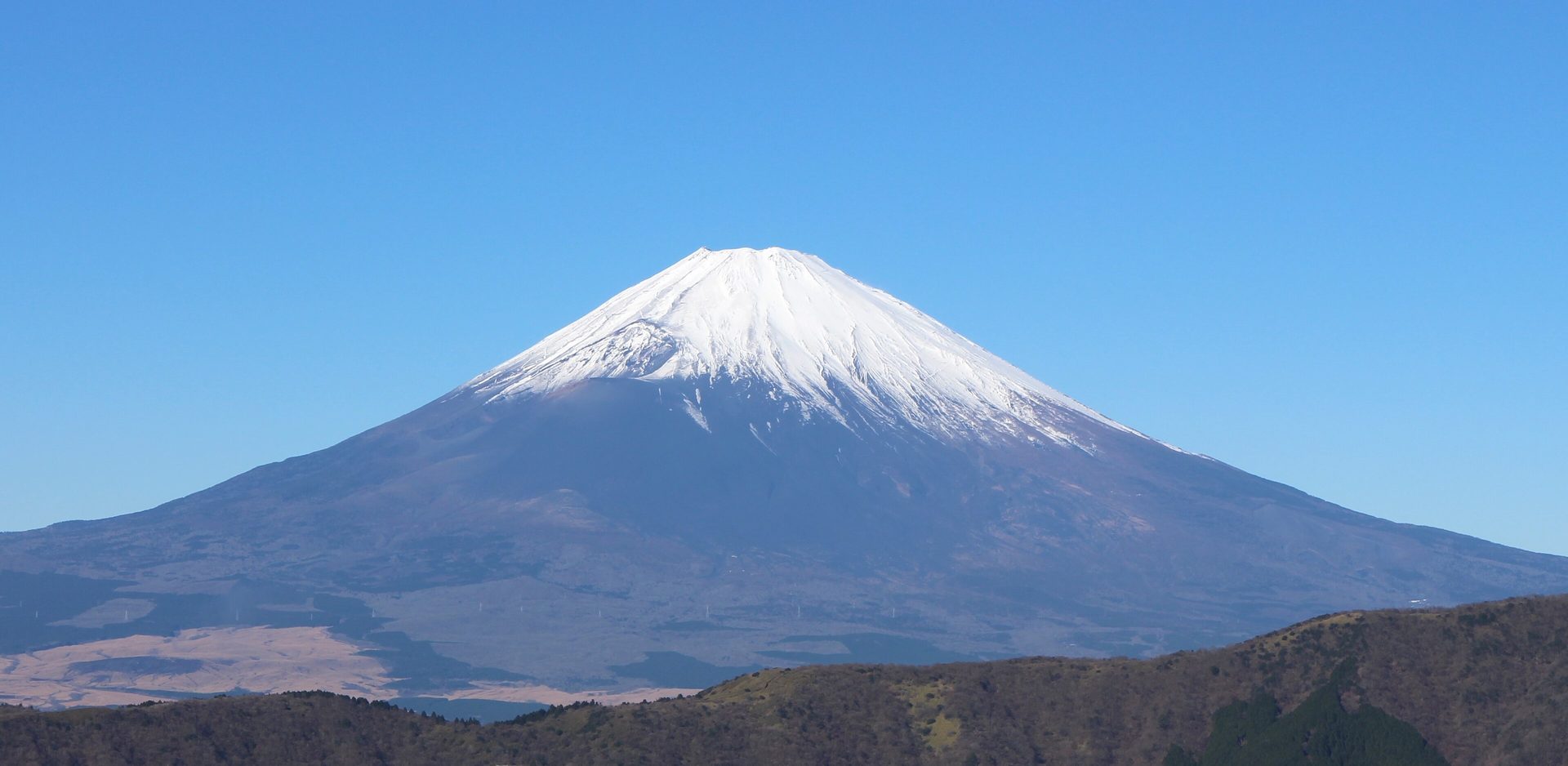
Photo Gallery

Japan in photos

Tap any photo to open the full-screen gallery.

Top Attractions

The best things to see in Japan

What to prioritise, why it is worth your time, and roughly how long to allow.

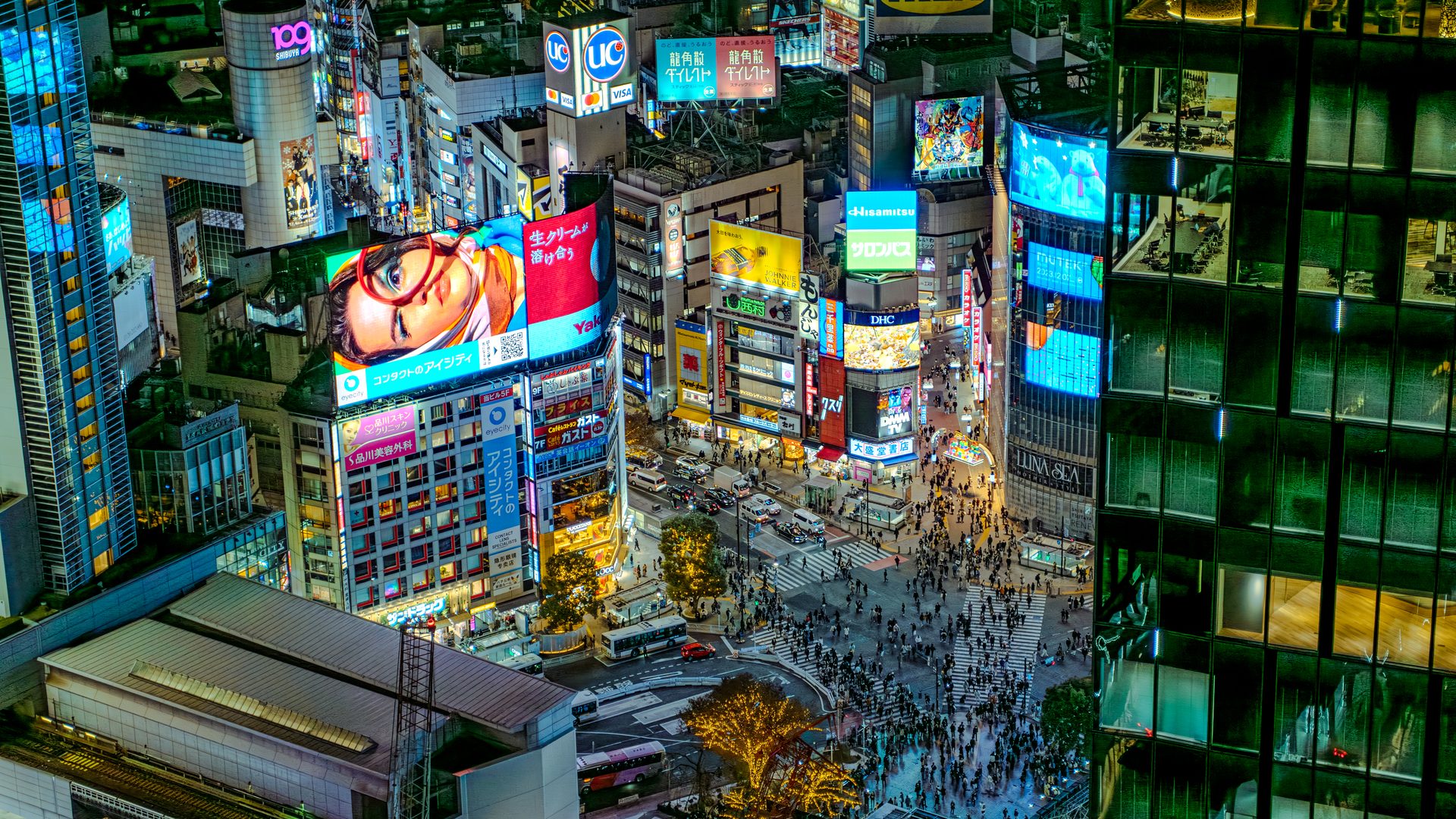
Tokyo at night

Tokyo

Shibuya's scramble crossing, Shinjuku's neon and skyscraper views, Senso-ji temple in Asakusa, the Meiji Shrine, teamLab's digital art, and food from 7-Eleven miracles to Michelin stars.

Why go: The most exciting city on earth — allow at least three days.

3–4 days

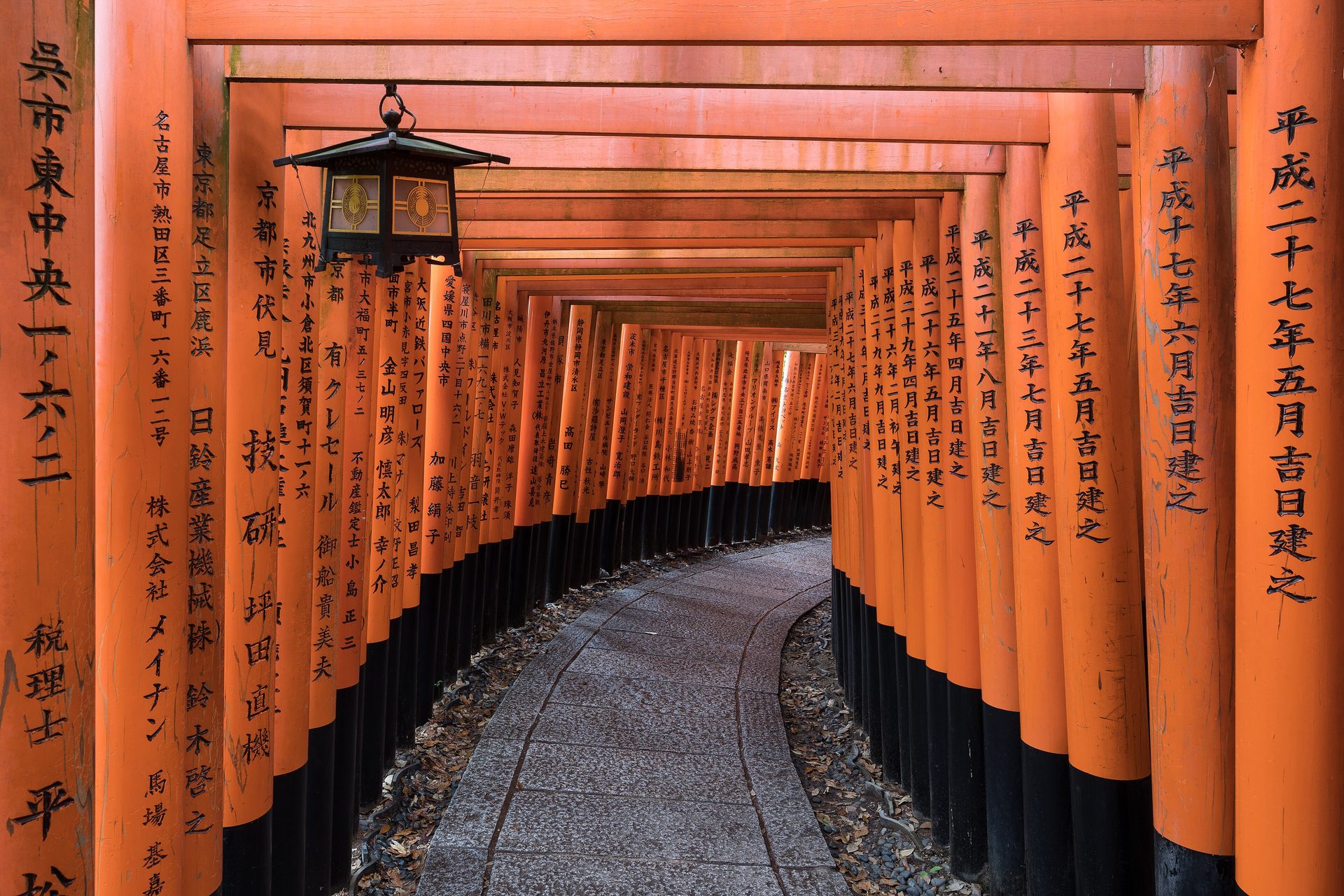
Kyoto streets

Kyoto

The imperial capital for 1,000 years: Fushimi Inari's 10,000 red gates, the Golden Pavilion, Arashiyama's bamboo grove, Gion's geisha district, and 1,600 temples.

Why go: The soul of traditional Japan.

2–3 days

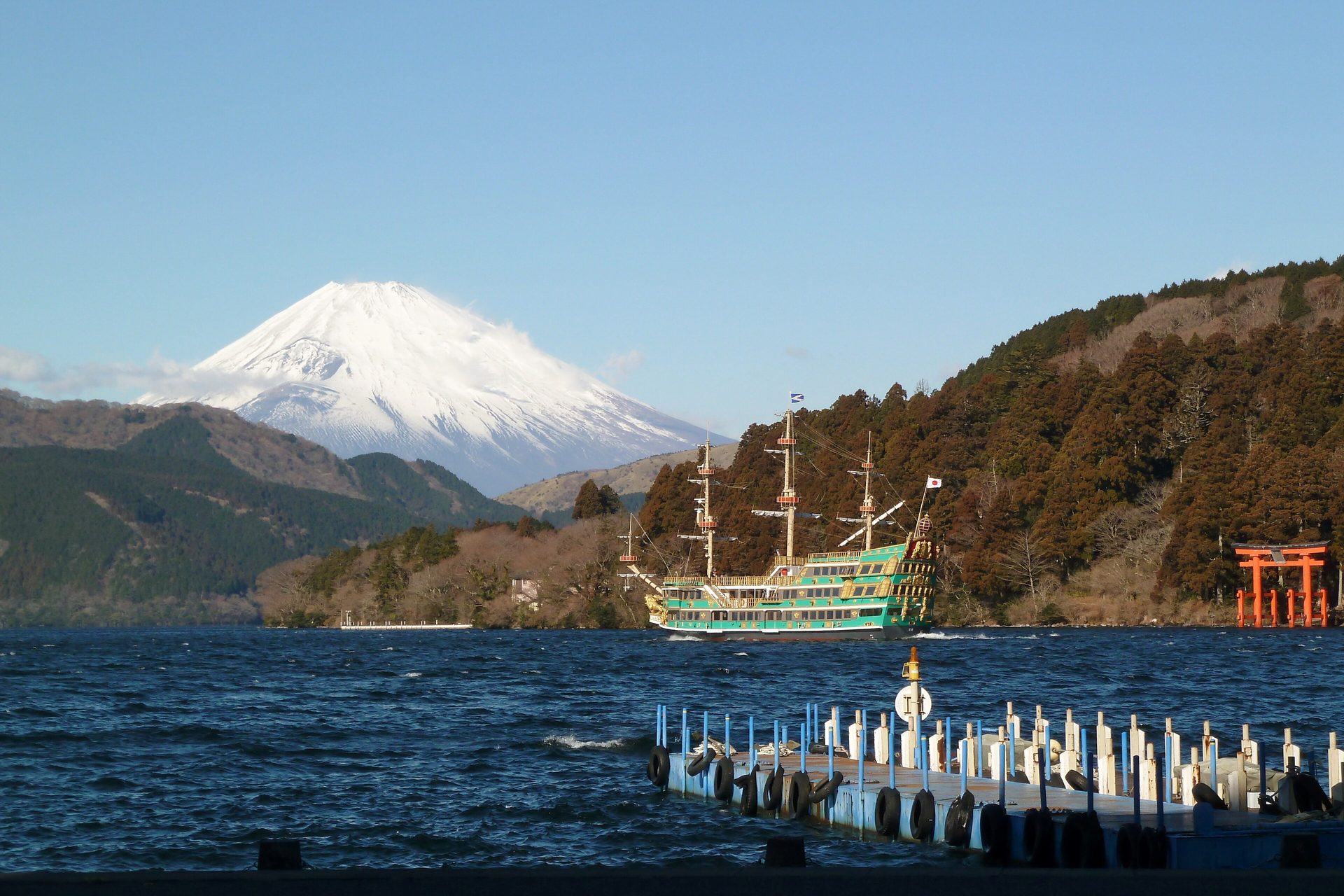
Hakone and Fuji

Mount Fuji & Hakone

Japan's sacred peak, best viewed from Hakone's lake, ropeway, and hot-spring inns (ryokan). Climbing season is July–early September; viewing is best in the clear winter months.

Why go: The icon of Japan, with an onsen soak to go with it.

1–2 days

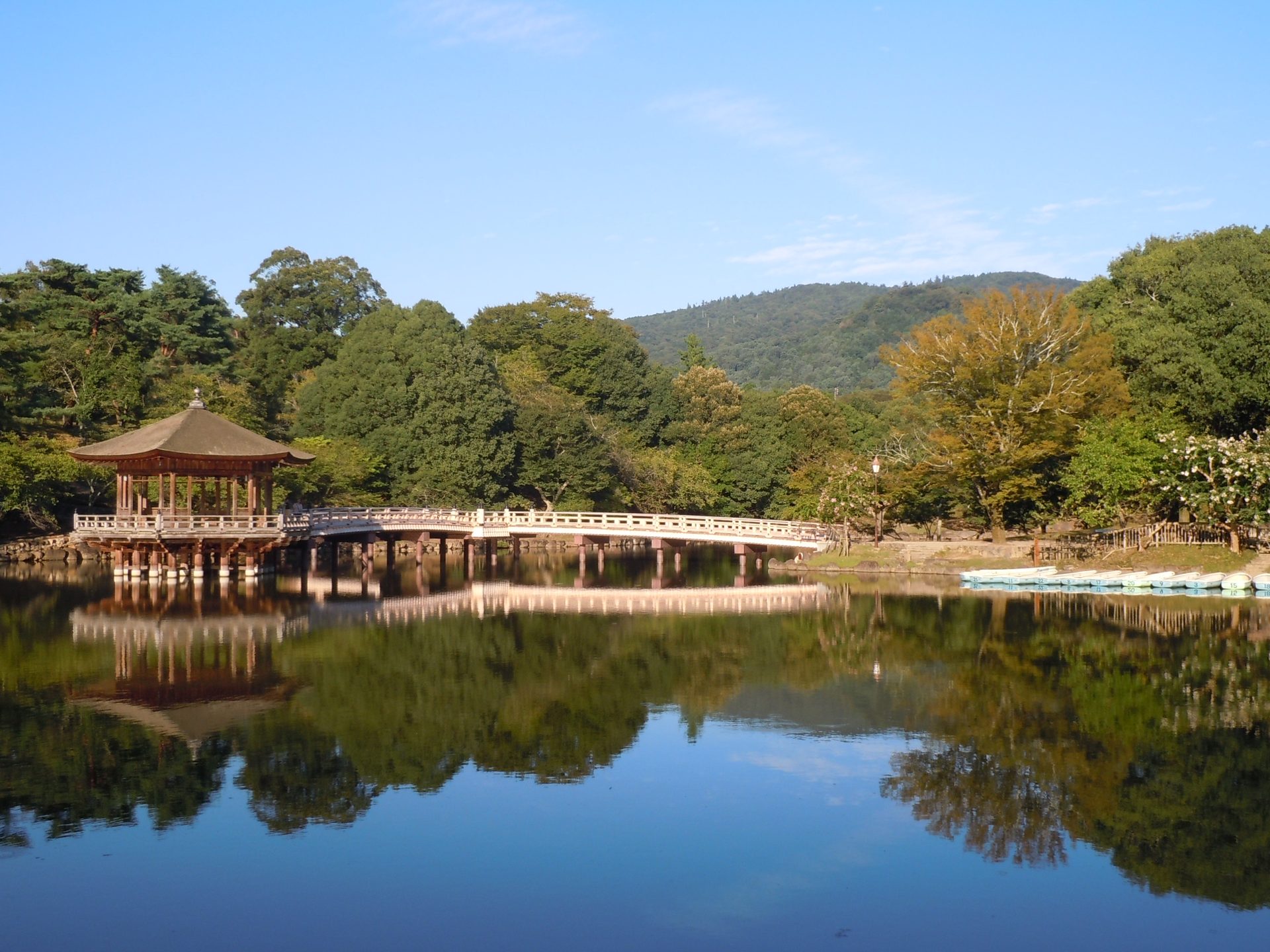
Nara deer

Nara

Japan's first capital, 45 minutes from Kyoto: Todai-ji's Great Buddha (one of the largest bronze statues in the world) in a park full of tame, bowing deer.

Why go: The easiest and most delightful day trip in Japan.

Half to full day

Dotonbori

Osaka

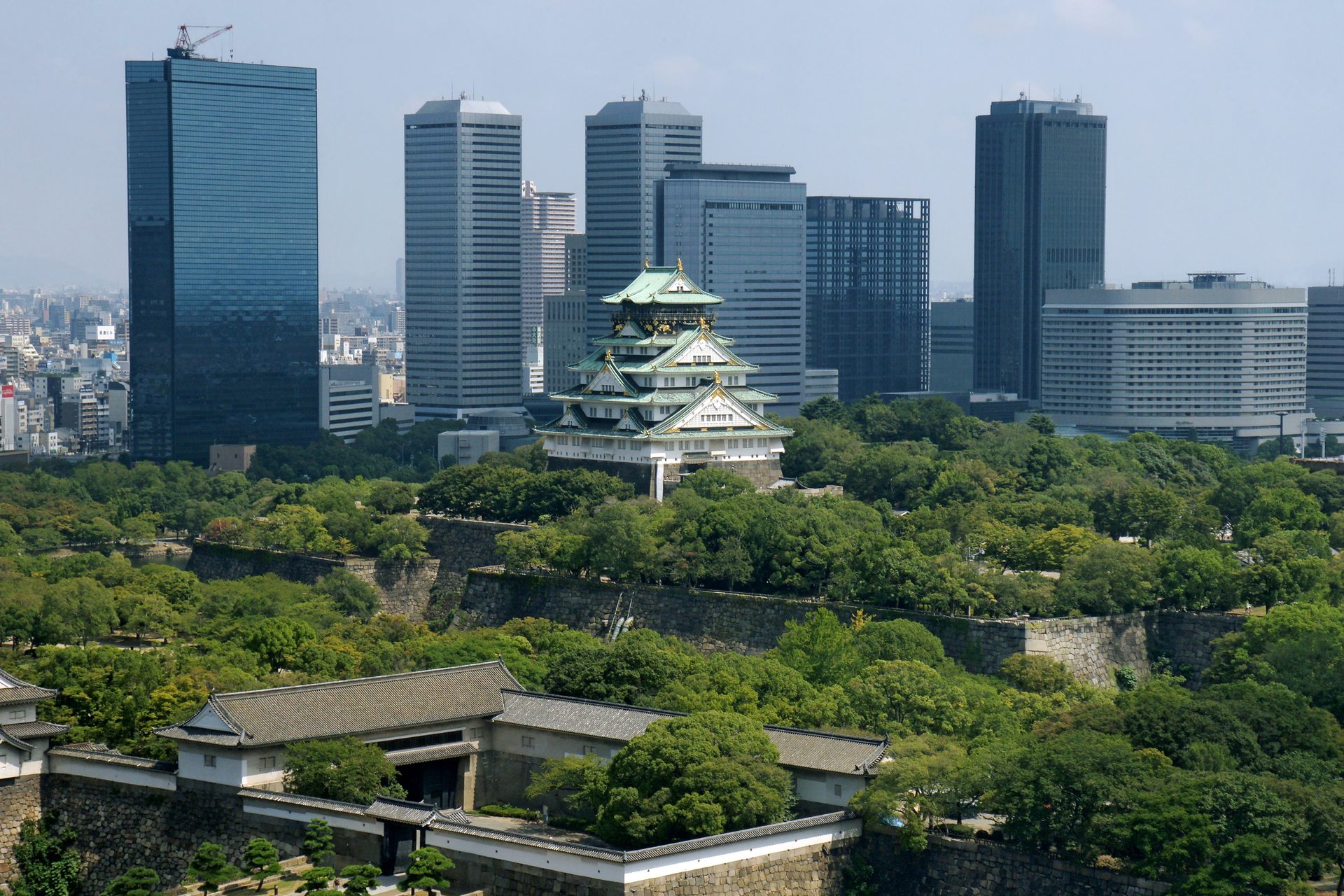
Japan's kitchen: Dotonbori's neon canal, street food (takoyaki, okonomiyaki), the castle, and a louder, friendlier vibe than Tokyo.

Why go: The best eating city in Japan, 15 minutes from Kyoto by bullet train.

1–2 days

Peace Memorial

Hiroshima & Miyajima

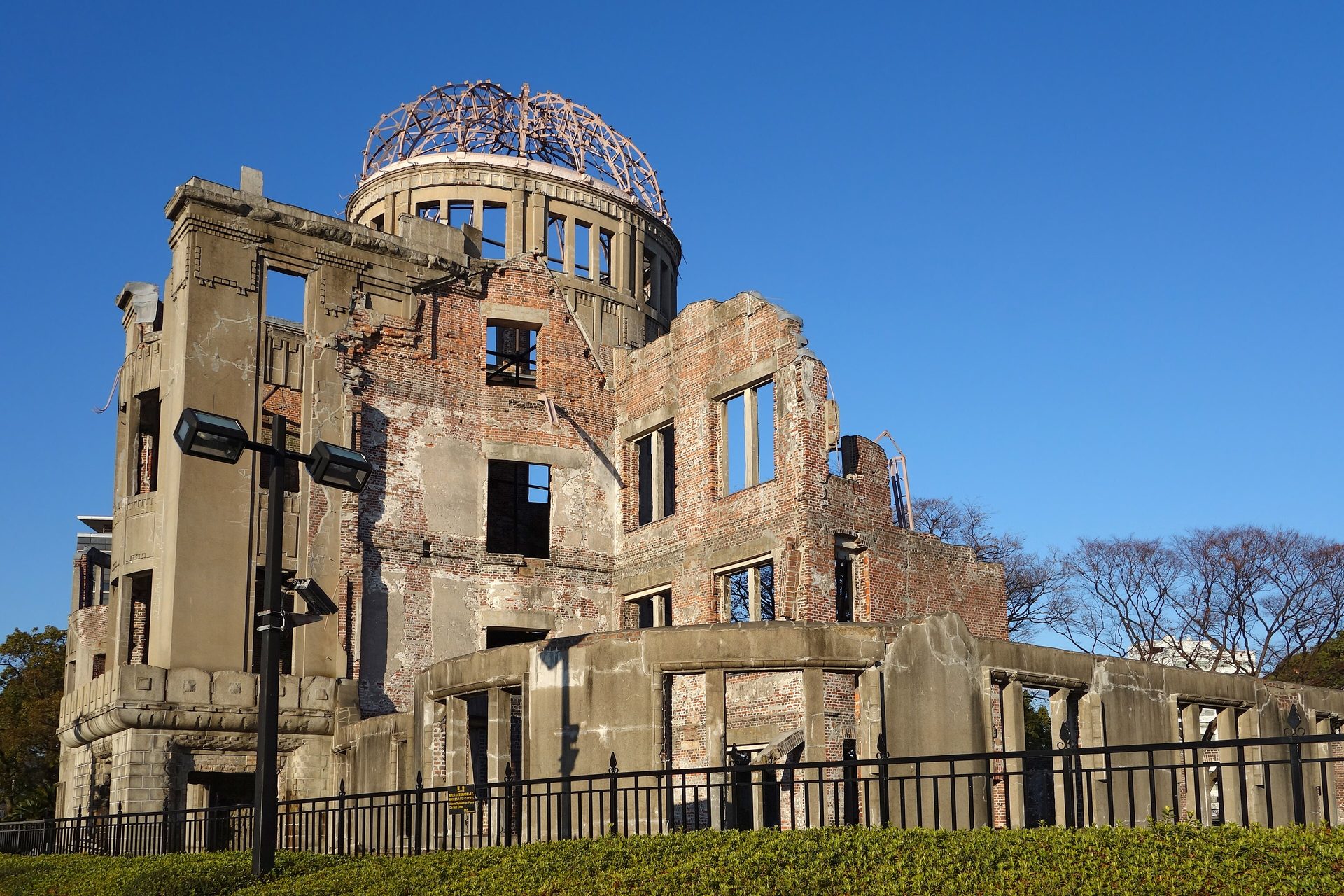
The Peace Memorial Park and Museum — sobering and essential — paired with Miyajima island's floating torii gate, one of Japan's three classic views.

Why go: A profound morning and a beautiful afternoon in one day trip.

Full day

Golden Pavilion

Kinkaku-ji & Kyoto's temples

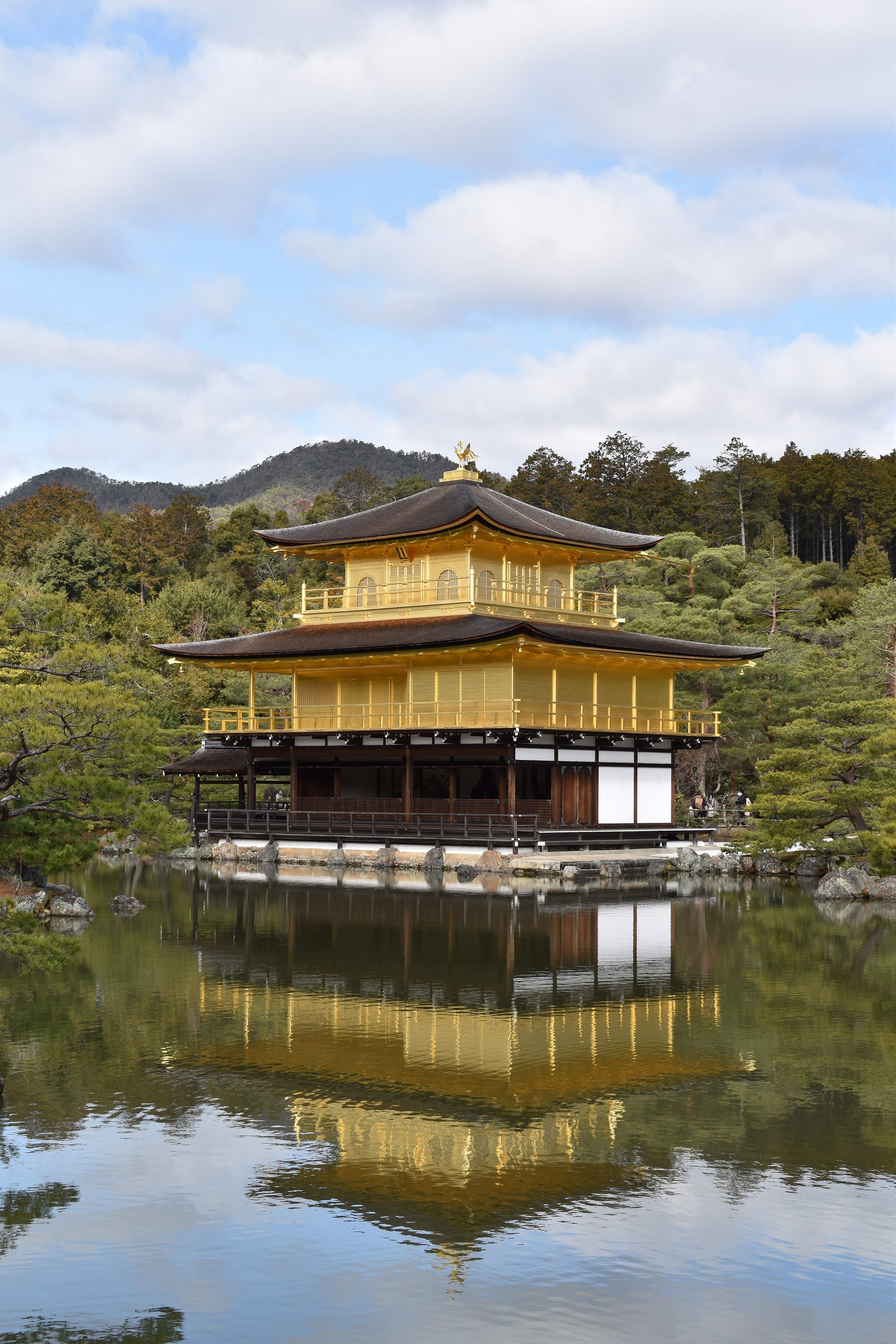
The Golden Pavilion reflected in its pond is the single most famous image of Kyoto; pair it with Ryoan-ji's zen rock garden and the Silver Pavilion's moss gardens.

Why go: Kyoto's temples are the finest collection of traditional architecture in Japan.

Full day

Cherry blossoms

Cherry blossom or autumn color

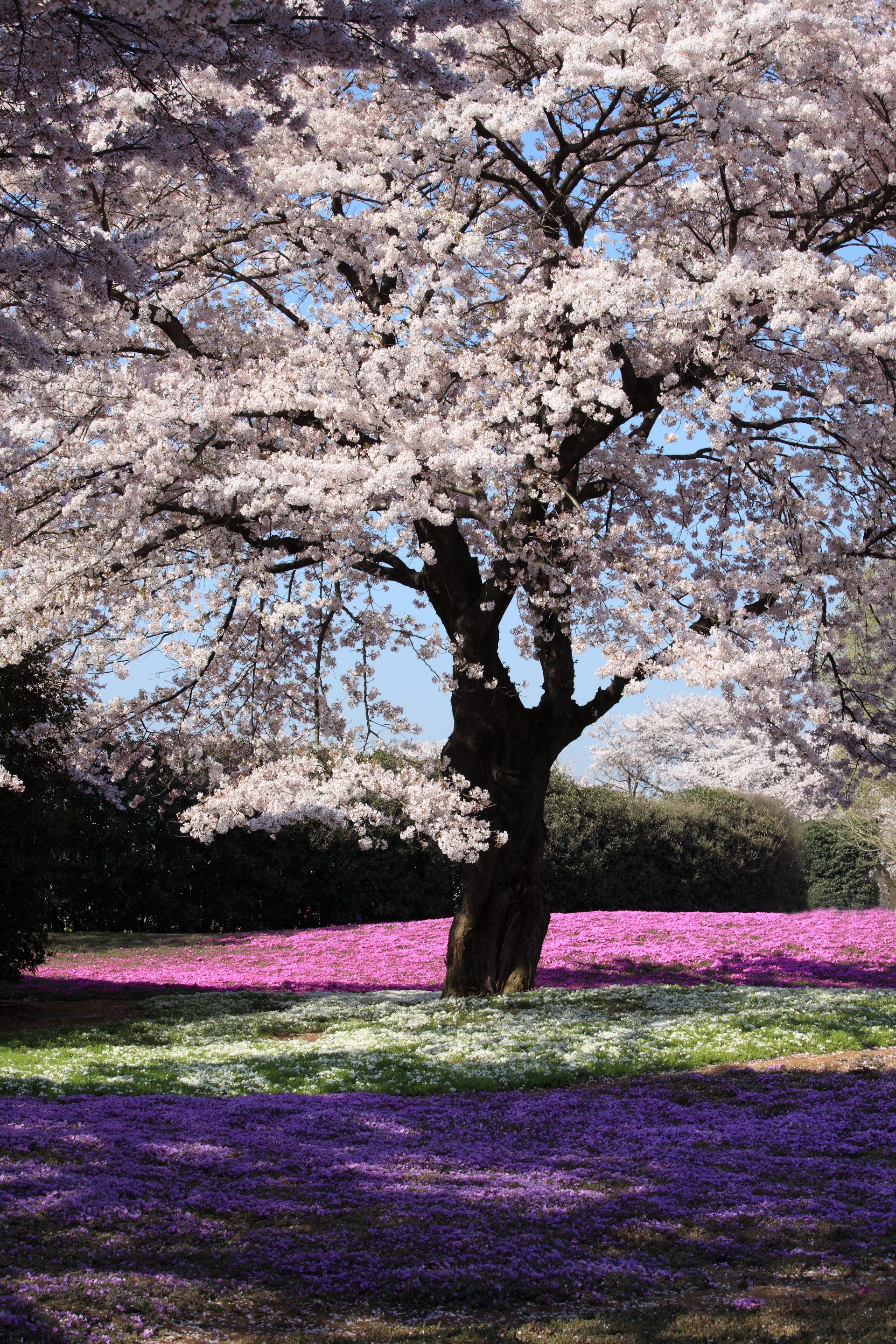
Sakura (late March–early April) and momiji (mid-November) transform the country. Tokyo's Ueno Park and Kyoto's Philosopher's Path are the classics.

Why go: Japan's two great seasonal spectacles — book a year ahead.

Seasonal

Want these built into a real itinerary?

Send us your dates and travelers and we'll put together a Japan trip with flights, hotels, and the experiences worth booking ahead.

Things To Do

Ways to spend your days in Japan

Grouped by the kind of trip you're planning.

Tokyo

  • Shibuya crossing & Shinjuku. The scramble, then Shinjuku Gyoen park and the free Metropolitan Government observatory.
  • Asakusa & Senso-ji. The old downtown temple with the giant lantern; go early.
  • teamLab Planets. The immersive digital art museum — book weeks ahead.
  • Tsukiji outer market. Street-food breakfast: tamagoyaki, uni, and tuna skewers.

Kyoto

  • Fushimi Inari at dawn. 10,000 vermilion gates up the mountain; beat the crowds by going at 7am.
  • Arashiyama bamboo grove. Go early, then continue to the quieter Okochi Sanso garden.
  • Gion at dusk. The geisha district's lantern-lit lanes; spot geiko heading to appointments.
  • Tea ceremony. A guided ceremony in a machiya townhouse — the cultural highlight for many.

Day trips

  • Nara. Great Buddha, bowing deer, and the lantern shrine of Kasuga Taisha.
  • Hiroshima & Miyajima. Peace Memorial in the morning; the floating torii in the afternoon.
  • Hakone loop. Ropeway, pirate ship on Lake Ashi, and an onsen ryokan overnight.
  • Nikko. The lavish Toshogu shrine in cedar forest, 2 hours from Tokyo.

Food experiences

  • Ramen alleys. Tokyo Ramen Street or Kyoto's Ramen Koji — vending-machine tickets, counter seats.
  • Osaka street food. Takoyaki and kushikatsu in Dotonbori and Shinsekai.
  • Kaiseki dinner. Kyoto's multi-course haute cuisine — the special-occasion meal.
  • Izakaya night. Japanese pub culture: skewers, sashimi, and highballs.

Where To Stay

Best areas to stay in Japan

Location matters more than star rating. Here's what each area is actually best for.

Tokyo (Shinjuku / Shibuya / Ginza)

First-timersNightlifeShopping

Shinjuku for transport and energy, Shibuya for youth culture, Ginza for polish, Asakusa for old-town charm.

Kyoto (Downtown / Gion / Station)

CultureTemples

Downtown Kawaramachi for dining, Gion for atmosphere, the station area for rail convenience.

Osaka (Namba / Umeda)

FoodValueDay trips

Namba for Dotonbori street food; Umeda for transport. Cheaper than Tokyo and Kyoto.

Hakone

RyokanFuji viewsOnsen

The hot-spring resort area — one night in a ryokan is the essential Japan experience.

Recommended Stays

Where we book clients in Japan

A cross-section by budget. Send us any property — including one you found online — and we'll check our rate before you book.

Hakone

Luxury

Ryokan with onsen

Hakone / Kyoto

Tatami rooms, kaiseki dinner, and private hot-spring baths — the essential Japanese stay. We book the best rooms with Fuji views.

Upscale

Tokyo & Osaka city hotels

Tokyo / Osaka

From the Park Hyatt to excellent Japanese chains; station-adjacent locations save hours.

Upscale

Machiya townhouses, Kyoto

Kyoto

Restored wooden townhouses — the atmospheric Kyoto stay.

Best Value

Business hotels

All cities

Toyoko Inn, APA, and Dormy Inn: spotless, compact, and remarkably good value.

Family-Friendly

Family rooms & apartments

Tokyo / Kyoto

Mimaru and similar apartment-hotels with kitchens suit families perfectly.

Hotel suggestions are editorial recommendations based on location and traveler fit. Availability, room categories, and rates are confirmed at the time of quoting.

When To Go

Best time to visit Japan

Weather, crowds, and what the season does to pricing.

Season by season

Best overall
Late March–April (cherry blossom), October–November (autumn color), or May–June for value
High season
Cherry blossom (late Mar–early Apr), Golden Week (late Apr–early May), and autumn color (mid-Nov) — book 6–12 months ahead.
Shoulder season
May–June and October — excellent weather with fewer crowds.
Low season
December–February — cold but clear (best Fuji views), empty temples, low rates; ski season in Hokkaido and the Alps.

Weather

Four distinct seasons. Summers are hot and humid with a June rainy season; winters are cold and dry.

Crowds

Sakura and momiji weeks are intense at famous spots — go at dawn.

Pricing

Cherry-blossom rates can double; January–February is the bargain season.

Month-by-month weather

MonthAvg highAvg lowConditionsGood for
January50°F / 10°C35°F / 2°CCold, clear, quiet; best Fuji viewsBest deals
February51°F / 11°C36°F / 2°CPlum blossom begins; snow festivals
March57°F / 14°C41°F / 5°CSakura starts late monthSakura begins
April66°F / 19°C50°F / 10°CPeak cherry blossom; gloriousBook a year ahead
May74°F / 23°C58°F / 14°CFresh green; ideal weatherBest value + weather
June79°F / 26°C65°F / 18°CRainy season; hydrangeas
July86°F / 30°C72°F / 22°CHot and humid; festivals begin
August88°F / 31°C74°F / 23°CHottest; Obon holidays
September81°F / 27°C69°F / 21°CTyphoon season; cooling late month
October72°F / 22°C58°F / 14°CClear and lovelyBest shoulder month
November62°F / 17°C48°F / 9°CAutumn color peaks mid-monthBook early
December54°F / 12°C39°F / 4°CCrisp and quiet; illuminations

Temperatures are typical seasonal averages and are provided as general guidance only.

Trip Planning

How many days do you need in Japan?

What each trip length realistically gets you — plus day-by-day plans.

7 nights

Tokyo (4) and Kyoto (3) with a Nara day trip — the classic first trip.

10 nights

Add Hakone (ryokan night) and Osaka or Hiroshima.

14 nights

The full route: Tokyo, Hakone, Kyoto, Nara, Osaka, Hiroshima, and an Alpine or island add-on.

Sample itineraries

  1. Days 1–3

    Tokyo

    Shibuya and Shinjuku, Asakusa and Senso-ji, teamLab, and a Tsukiji food morning.

  2. Day 4

    Hakone

    The loop: ropeway, Lake Ashi, and a ryokan night with onsen and kaiseki.

  3. Days 5–7

    Kyoto

    Fushimi Inari at dawn, Kinkaku-ji, Arashiyama, Gion at dusk, and a tea ceremony.

  4. Day 8

    Nara day trip

    Great Buddha and the deer park; evening in Osaka's Dotonbori.

  5. Day 9

    Hiroshima & Miyajima

    Peace Memorial in the morning; floating torii in the afternoon.

  6. Day 10

    Return to Tokyo

    Bullet train back; last-minute shopping and departure.

We'll turn any of these into a real, bookable trip

Flights, hotels, transfers, and the tours worth reserving in advance — priced and arranged by a travel professional.

Getting There & Around

Airports and transportation in Japan

Tokyo Haneda

9 miles from central Tokyo

HND

Typical transfer: 30–40 minutes

  • Train / monorail
  • Limousine bus
  • Taxi

Tokyo Narita

40 miles from central Tokyo

NRT

Typical transfer: 60–90 minutes

  • Narita Express / Skyliner train
  • Limousine bus

Osaka Kansai

30 miles from Osaka; 60 from Kyoto

KIX

Typical transfer: 45–75 minutes

  • Haruka express train
  • Limousine bus

Getting around

  • Shinkansen (bullet train)

    Recommended

    The spine of every trip: Tokyo–Kyoto–Osaka–Hiroshima. Reserve seats; buy individual tickets or a JR Pass (do the math — passes no longer pay off for everyone).

  • City metros

    Recommended

    Tokyo and Osaka metros are superb. Get a Suica/Pasmo card (or phone wallet version) on arrival.

  • Walking

    Useful

    Japanese cities are walking cities; neighborhoods reward wandering.

  • Rental car

    Skip

    Unnecessary and counterproductive on the classic route; consider only for rural Hokkaido, Kyushu, or the Alps.

Food & Dining

What to eat in Japan

Tipping is not done. Many top restaurants need reservations (hotel concierges help). Convenience-store food is genuinely excellent — onigiri and egg sandwiches are a traveler's best friend.

Known for

Sushi and sashimiRamenKaisekiTempuraWagyu beefStreet food and konbini miracles

Dishes to try

  • Sushi breakfast. Toyosu/Tsukiji's sushi counters at dawn — the freshest of your life.
  • Ramen. Regional styles: tonkotsu (pork), shoyu, miso. Queue at the famous shops.
  • Kaiseki. Kyoto's multi-course seasonal cuisine — book a counter seat.
  • Takoyaki & okonomiyaki. Osaka's octopus balls and savory pancakes — eat them in Dotonbori.
  • Wagyu. Kobe, Matsusaka, or excellent unnamed wagyu at yakiniku grills.

Best dining areas

  • Tokyo (Shinjuku, Ginza, Tsukiji). More Michelin stars than Paris and New York combined — plus perfect $10 bowls.
  • Osaka (Dotonbori, Shinsekai). 'Kuidaore' — eat till you drop — is the city motto.
  • Kyoto (Gion, Nishiki Market). Kaiseki, tofu cuisine, and the 'kitchen of Kyoto' market street.

Family Travel

Japan with kids

  • teamLab Planets, Tokyo. Wade through knee-deep digital art — kids are spellbound.
  • Nara deer park. Feeding bowing deer is pure joy for children.
  • Universal Studios Japan, Osaka. Super Nintendo World — book Express Passes ahead.
  • Bullet train rides. The train itself is the attraction; ekiben lunch boxes complete it.

Family-friendly areas: Tokyo (Shinjuku) · Kyoto (station area) · Osaka (Namba)

Recommended trip length: 10–12 nights; two or three bases with rail between them.

  • Apartment-hotels (Mimaru) with kitchens suit families.
  • Strollers work everywhere; stations have elevators.
  • Book USJ and teamLab weeks ahead.

Couples & Luxury

Japan for two

  • Ryokan night in Hakone. Private onsen, kaiseki in your room, Fuji out the window.
  • Gion at dusk. Lantern-lit lanes and a kaiseki dinner in a machiya.
  • Arashiyama at dawn. The bamboo grove before the crowds, then a riverside coffee.
  • Tokyo skyline bars. The Park Hyatt's New York Bar and its peers.

Luxury stays

  • Hakone ryokan
  • Kyoto machiya
  • Tokyo (Ginza/Aoyama)

Spa

  • Onsen ryokan baths
  • Aman Tokyo spa
  • Hotel spas with city views

Special occasions

  • Private tea ceremony
  • Kimono rental for a Kyoto day
  • Sumo tournament tickets (Tokyo/Osaka seasons)

Practical Information

Good to know before you travel

Currency

Japanese Yen (JPY)

Language

Japanese; English signage is good on transport, limited elsewhere

Time zone

Japan Standard Time (UTC+9, no daylight saving)

Plugs & voltage

Type A, 100V (US plugs fit; check voltage for high-power devices)

Tipping

Not customary — do not tip

Local transport

Shinkansen between cities; metros within them; Suica card for everything

Entry & visas

US citizens visa-free for 90 days; passport valid for the stay

Safety

One of the safest countries on earth. Learn basic etiquette: quiet on trains, no eating while walking, shoes off where indicated.

Entry, visa, and health requirements change. Always confirm current rules with the official government sources for your nationality before travel.

Know before you go

  • Get a Suica card immediately. The rechargeable IC card (or its Apple/Google Wallet version) pays for all trains, metros, buses, and convenience stores.
  • Book the famous things early. teamLab, USJ Express Passes, top restaurants, and sakura-season hotels sell out weeks to months ahead.
  • Cash still matters. Cards are widely accepted now, but small temples, markets, and rural spots are cash-only. 7-Eleven ATMs take foreign cards.
  • No tipping, no eating on the go. Tipping can cause confusion; eating while walking is frowned on (eat at the stall). Trains are quiet — phones on silent.
  • Luggage forwarding is magic. Takkyubin services send bags hotel-to-hotel overnight for ~$20 — travel with a daypack between cities.
  • Shoes off. At temples, ryokan, and some restaurants. Wear slip-ons and good socks.

Map

Japan at a glance

Main tourist areas, major attractions, neighborhoods, and the airport.

AttractionAirportNeighborhoodBeach

FAQs

Japan travel questions

The questions our travelers ask most.

Ready When You Are

Let's plan your trip to Japan

Tell us your dates and travelers. We'll handle flights, hotels, transfers, and the details that make the trip work.

Hotels & Resorts

Where to stay in Japan

We match the property to the trip — location, room category, and what's actually included. Send us a hotel you found online and we'll check our rate.

Individual property pages for Japan are added as official hotel media and supplier content is supplied — we don't publish stock photos as if they were pictures of a specific resort. In the meantime, tell us the property you're considering (or ask us to shortlist options) and we'll come back with our rate and honest guidance.

Things to Do

Things to do in Japan

Tours, attractions, excursions, day trips, and family activities — provided and fulfilled by third-party providers.

GoGo Travel Group may earn a commission when you book certain tours, attractions, or experiences through links on this page. This does not necessarily increase the price you pay.

Plan your trip to Japan

Send us your dates and travelers and a travel professional will plan it with you.