
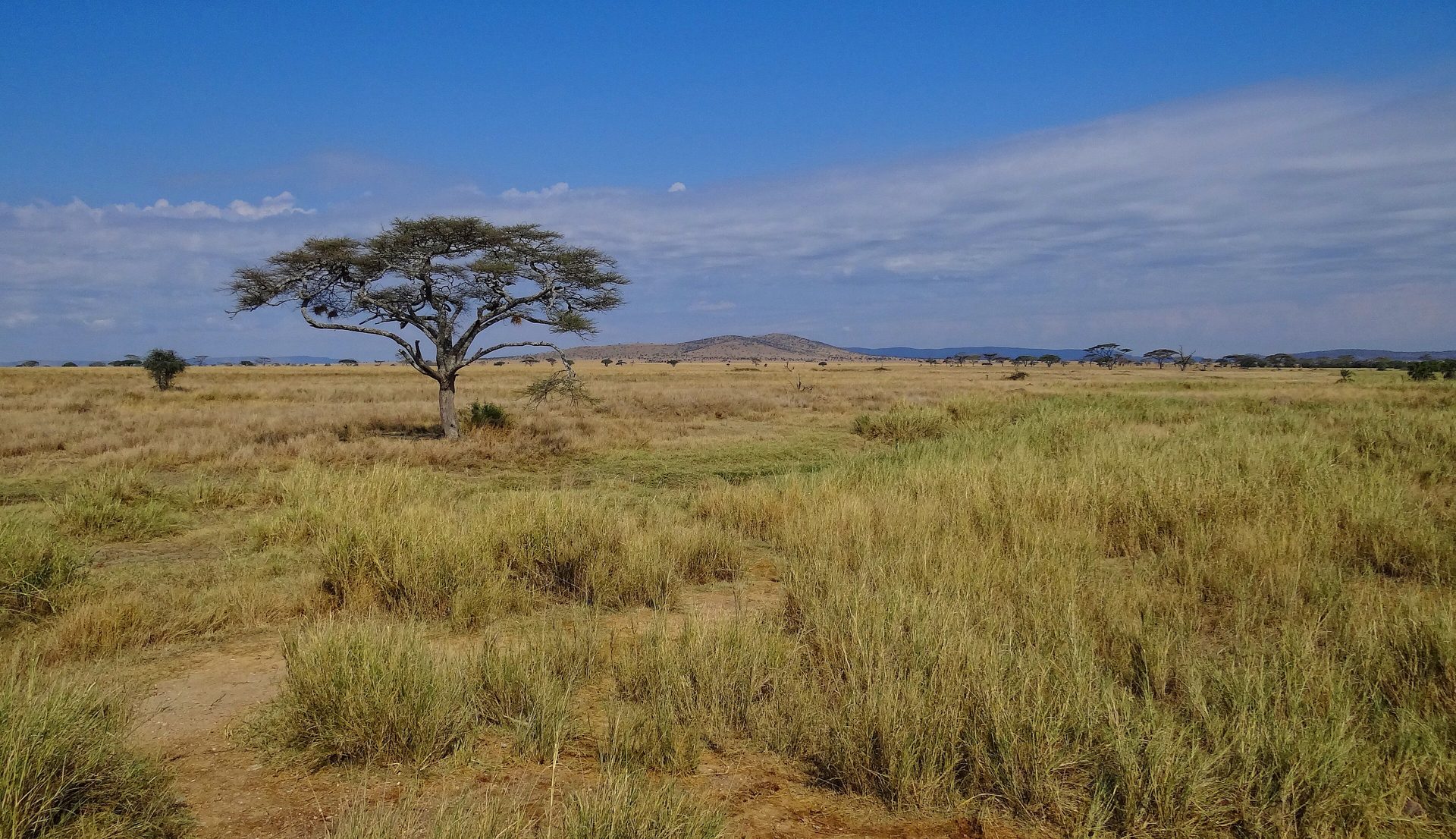
Serengeti National Park
5,700 square miles of savanna: the Great Migration herds, the big cats (the densest lion population in Africa), and kopjes (rock outcrops) dotted across the plains.
Why go: The greatest wildlife arena on earth.
3–4 nights
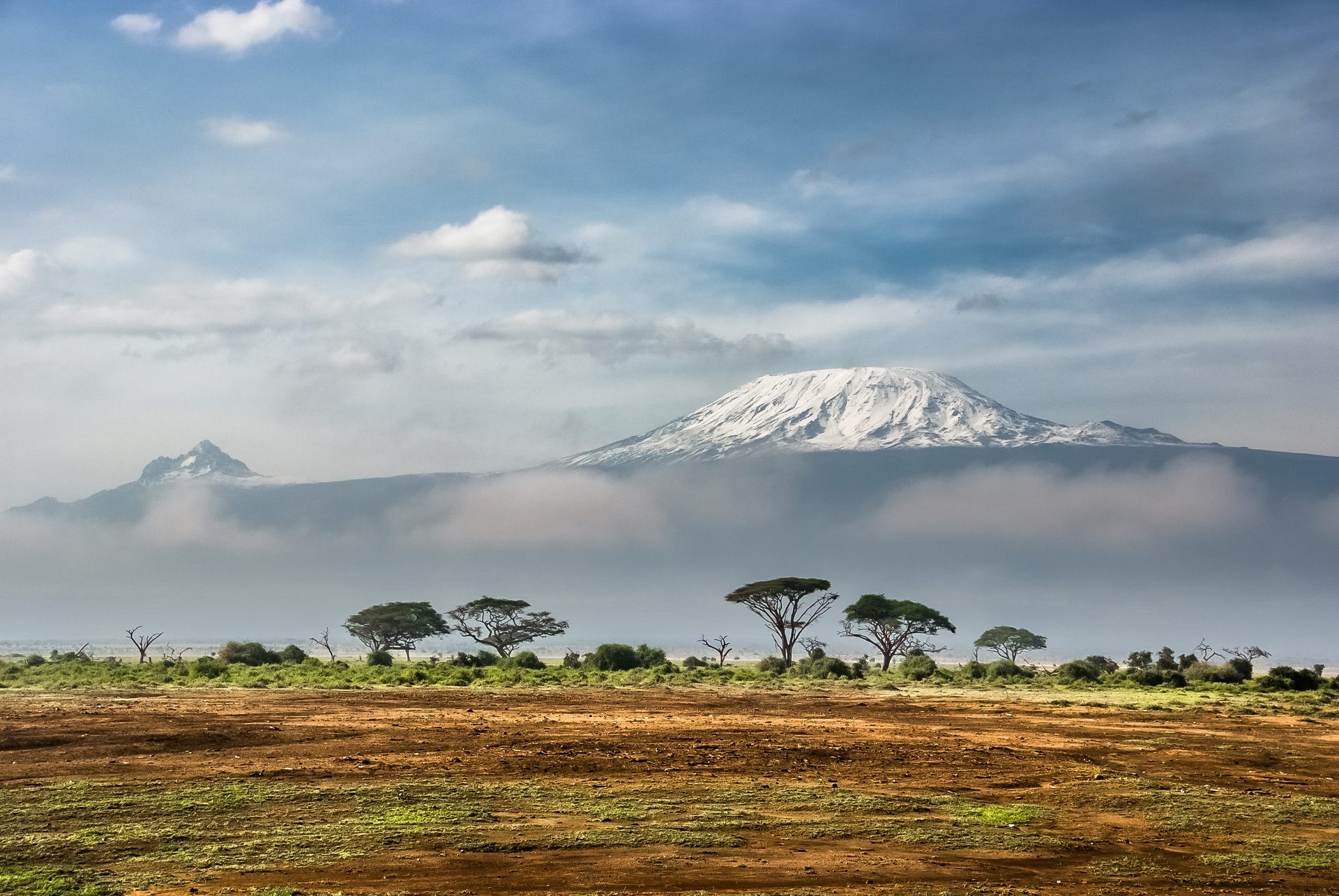
Destination Overview
Tanzania is safari at its grandest scale. The Serengeti's endless plains host the Great Migration for most of the year; the Ngorongoro Crater packs 25,000 animals into a volcanic caldera; Tarangire's baobabs shelter some of Africa's largest elephant herds. And off the coast, Zanzibar adds white-sand beaches and the labyrinth of Stone Town.
The northern circuit — Tarangire, Ngorongoro, and the Serengeti — is the classic route, typically 6–8 days with a private guide and 4x4. The Great Migration moves in a circle: calving in the southern Serengeti (January–March), river crossings in the north (July–September). There is no bad time — only different acts of the same show.
Kilimanjaro, Africa's highest peak (19,341 ft), is the other great draw: a 5–9 day trek requiring no technical climbing, just fitness and acclimatization. Many combine a trek with a short safari.
Tanzania suits safari purists, honeymooners (the bush-and-Zanzibar combination is the classic), photographers, and trekkers. Private-vehicle safaris are the norm — your own guide, your own pace.
Photo Gallery
Tap any photo to open the full-screen gallery.
Top Attractions
What to prioritise, why it is worth your time, and roughly how long to allow.
5,700 square miles of savanna: the Great Migration herds, the big cats (the densest lion population in Africa), and kopjes (rock outcrops) dotted across the plains.
Why go: The greatest wildlife arena on earth.
3–4 nights
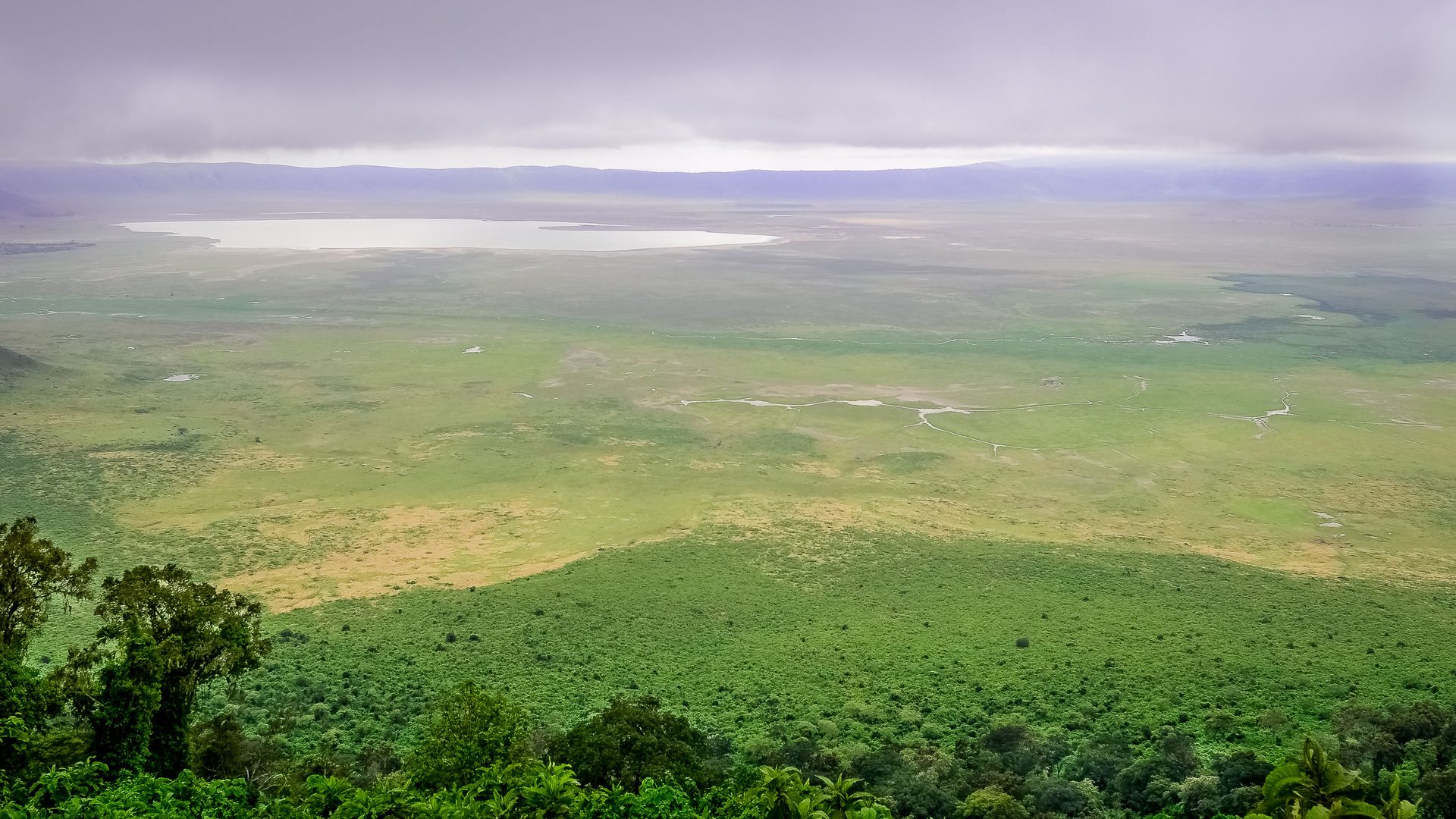
A 12-mile-wide volcanic caldera holding 25,000 animals — the easiest place in Africa to see the Big Five in one day, including rare black rhino.
Why go: The densest big-game viewing in Africa.
1–2 days
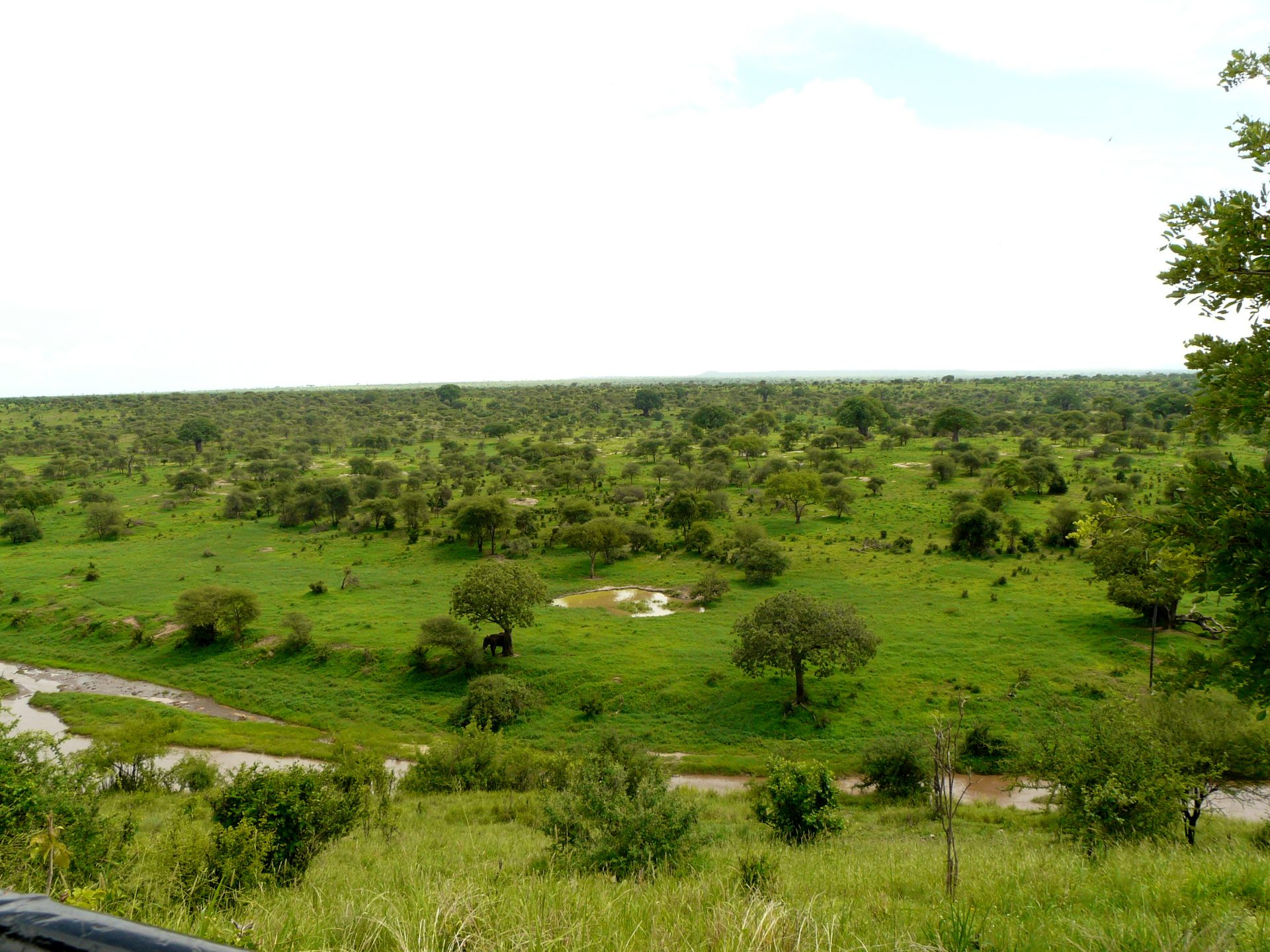
Giant baobab trees and some of Africa's biggest elephant herds (300+ gather in the dry season), with far fewer vehicles than the Serengeti.
Why go: The underrated gem of the northern circuit.
1–2 nights
Africa's highest peak and the world's tallest free-standing mountain. No technical climbing needed — routes take 5–9 days through five climate zones to the summit.
Why go: The most achievable of the world's great summits.
6–9 days (trek)

The spice island: Stone Town's carved doors and sultan's palaces, spice farms, and some of the Indian Ocean's finest beaches (Nungwi, Paje, Matemwe).
Why go: The perfect beach finale after safari.
3–5 nights
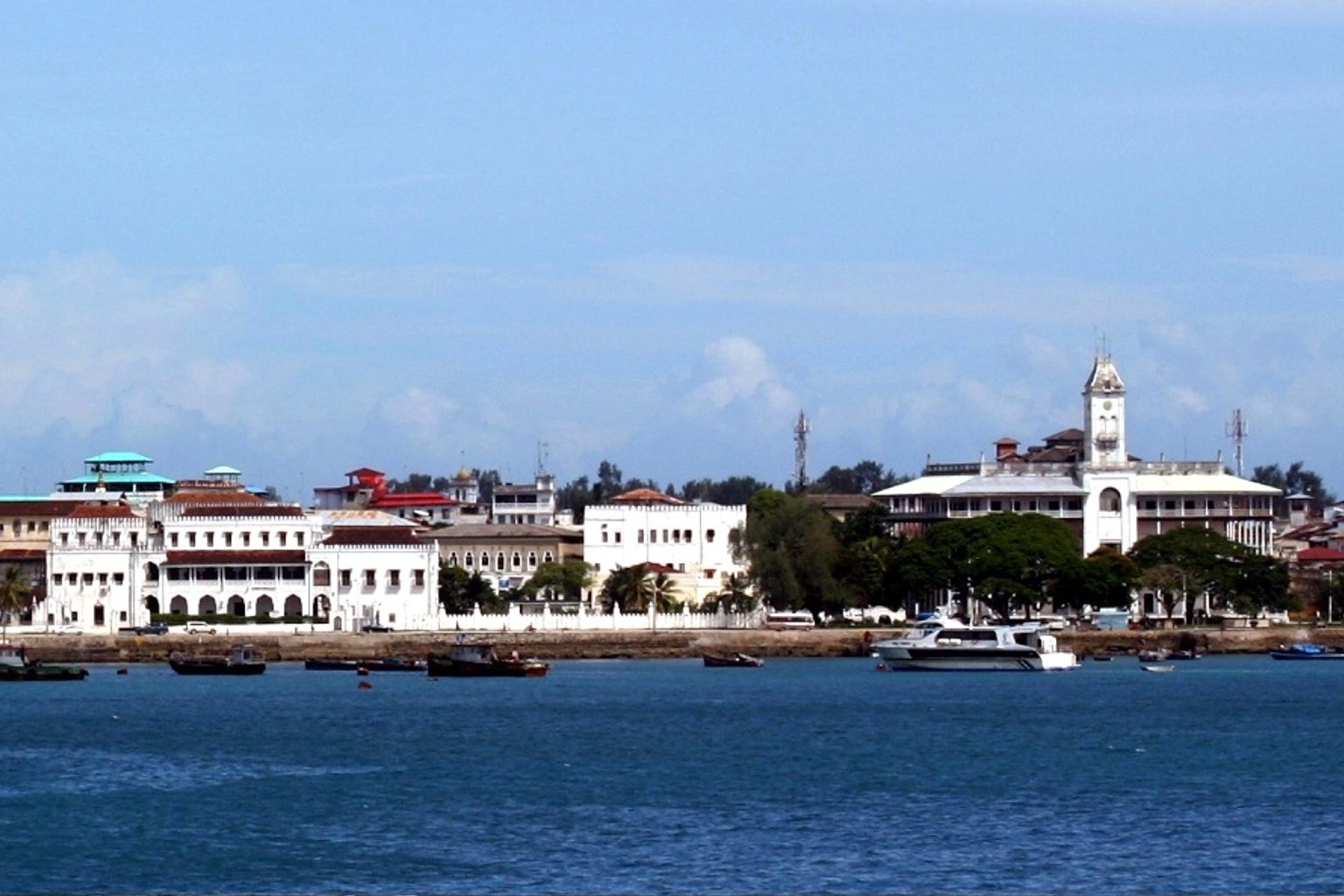
Zanzibar's old city: a UNESCO maze of Swahili, Arab, Indian, and European layers — carved doors, the old slave market, and rooftop restaurants at sunset.
Why go: One of the most atmospheric old towns in Africa.
1–2 days
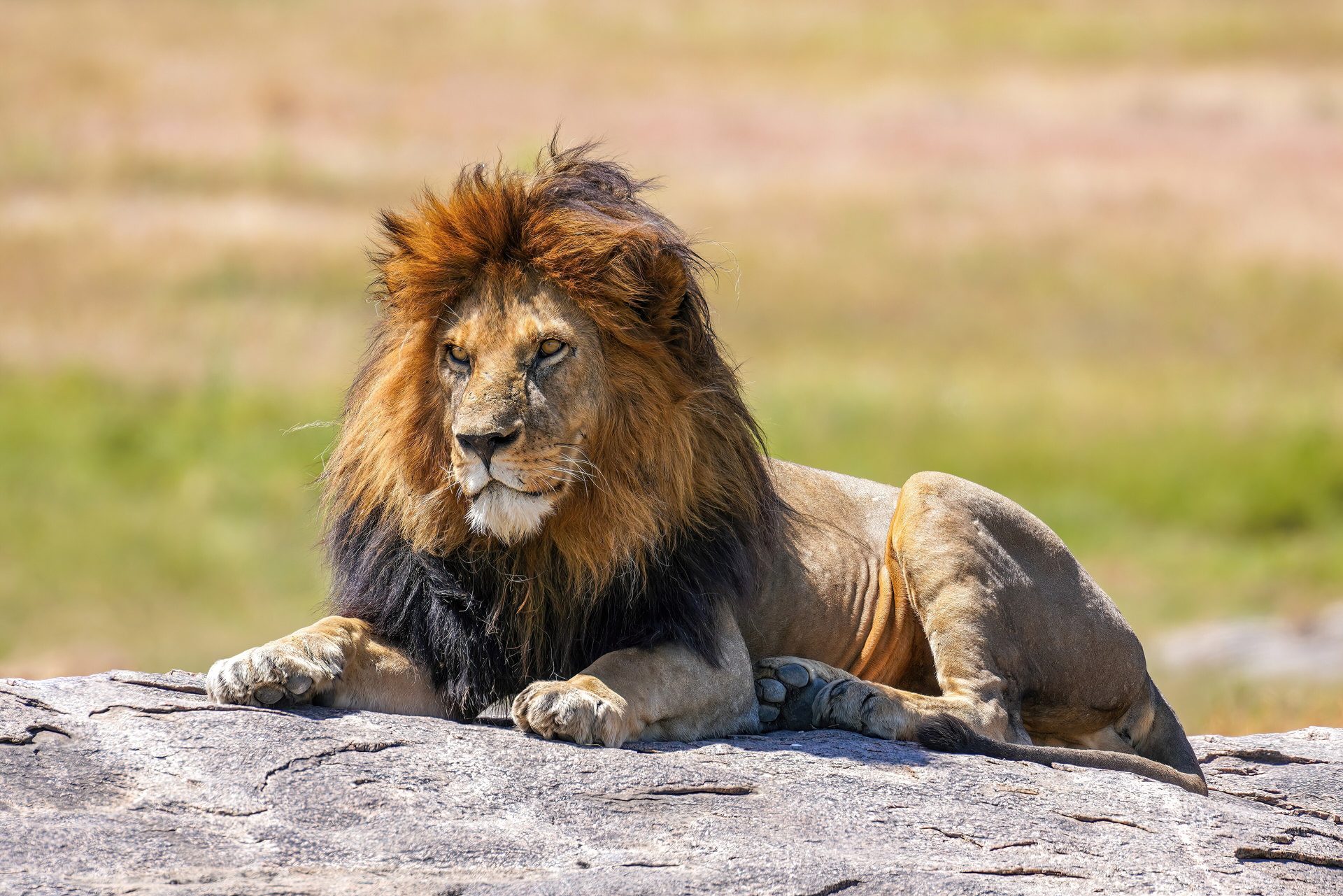
Two million wildebeest, zebra, and gazelle circle the Serengeti year-round: calving in the south (Jan–Mar), the Grumeti and Mara river crossings (Jun–Sep).
Why go: Nature's greatest show — position your camp with the herds.
Year-round (moves seasonally)
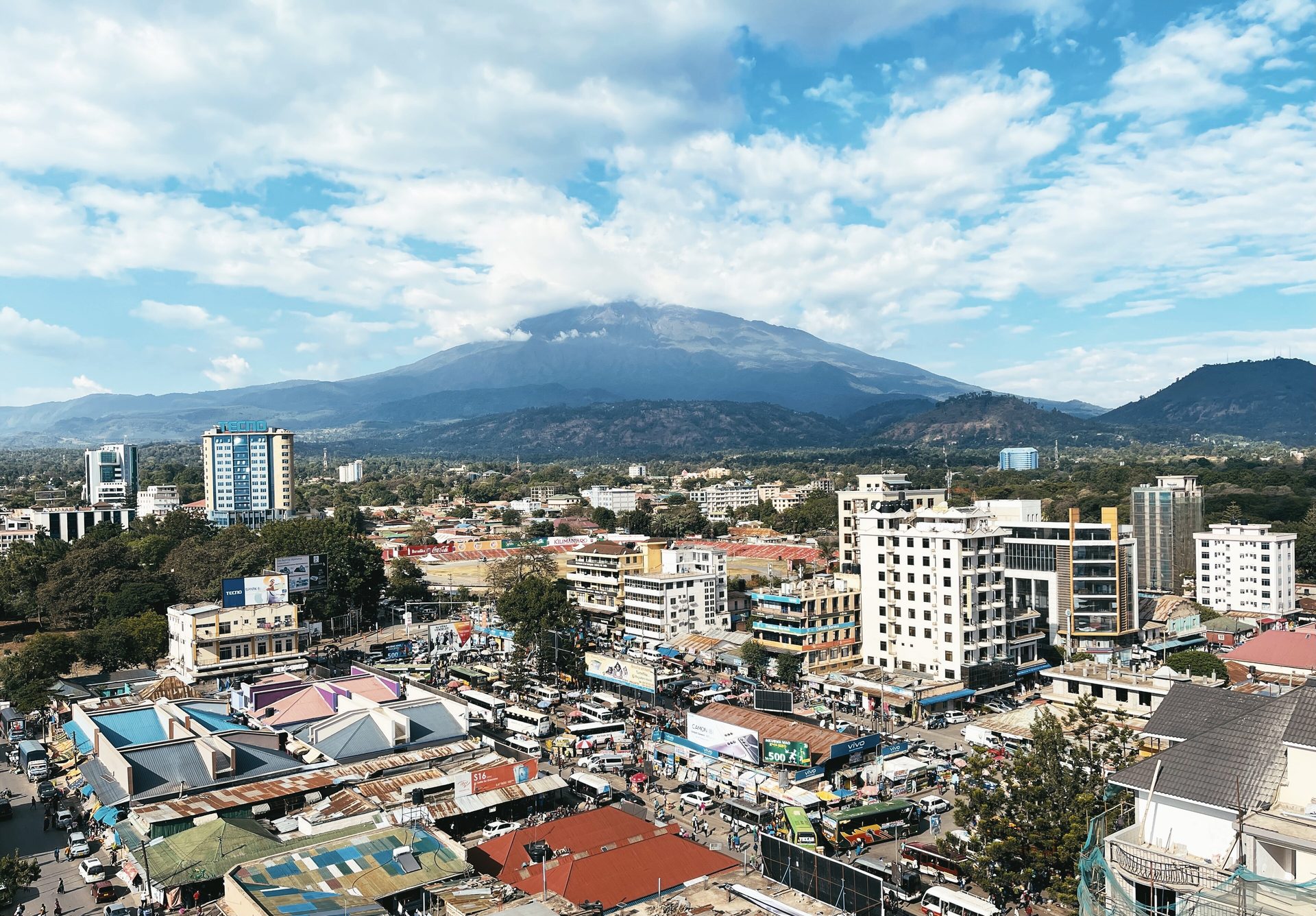
The safari capital at the foot of Mount Meru: coffee lodges, the starting point for the northern circuit, and Arusha National Park's giraffes and flamingos for a soft first day.
Why go: The gentle launchpad for the circuit.
1 night
Send us your dates and travelers and we'll put together a Tanzania trip with flights, hotels, and the experiences worth booking ahead.
Things To Do
Grouped by the kind of trip you're planning.
Where To Stay
Location matters more than star rating. Here's what each area is actually best for.
Camp location follows the herds: south for calving (Jan–Mar), north for crossings (Jul–Sep), central year-round.
Crater-rim lodges (book early) or the coffee-country highlands at Karatu for value.
The circuit's southern anchors, 2 hours from Arusha.
Stone Town for history, Nungwi for the best all-tide beach, Paje for kitesurf vibe.
Coffee-farm lodges around Arusha; Moshi for the Kilimanjaro trailheads.
Recommended Stays
A cross-section by budget. Send us any property — including one you found online — and we'll check our rate before you book.
Luxury
Serengeti / Ngorongoro
Singita, andBeyond, and seasonal migration camps — the pinnacle of safari. We position your camp with the herds' location for your dates.
Luxury
Serengeti
Mobile camps that move with the herds — the front-row seat for the migration.
Upscale
Ngorongoro / Karatu
Rim lodges for dawn crater access; Karatu's coffee lodges for charm and value.
Upscale
Nungwi / Matemwe / Paje
Barefoot-luxury beach hotels — the post-safari reward.
Mid-Range
All parks
Comfortable tented camps bring the circuit within reach; green-season rates are the deal.
Hotel suggestions are editorial recommendations based on location and traveler fit. Availability, room categories, and rates are confirmed at the time of quoting.
When To Go
Weather, crowds, and what the season does to pricing.
Weather
Dry season (Jun–Oct): warm days, cold highland mornings. Wet seasons: Nov (short) and Mar–May (long). Zanzibar is tropical year-round.
Crowds
The crater and Serengeti hotspots peak July–September; private concessions avoid the clusters.
Pricing
April–May can be 40% below peak; migration-season camps book a year out.
| Month | Avg high | Avg low | Conditions | Good for |
|---|---|---|---|---|
| January | 82°F / 28°C | 60°F / 16°C | Calving season in the south; green | Calving season |
| February | 83°F / 28°C | 60°F / 16°C | Peak calving; predators active | |
| March | 82°F / 28°C | 61°F / 16°C | Long rains begin late month | |
| April | 79°F / 26°C | 61°F / 16°C | Long rains; some camps close | Lowest rates |
| May | 77°F / 25°C | 59°F / 15°C | Rains ease; lush and empty | |
| June | 75°F / 24°C | 55°F / 13°C | Dry season begins; herds move north | Season begins |
| July | 75°F / 24°C | 54°F / 12°C | Cool, dry; river crossings begin | Peak season |
| August | 77°F / 25°C | 55°F / 13°C | Crossings in the north; cold mornings | |
| September | 79°F / 26°C | 56°F / 13°C | Superb; dust and drama | |
| October | 81°F / 27°C | 58°F / 14°C | Dry end; herds turn south | |
| November | 82°F / 28°C | 59°F / 15°C | Short rains; green season value | Shoulder value |
| December | 82°F / 28°C | 60°F / 16°C | Herds return south; festive peak | Book early |
Temperatures are typical seasonal averages and are provided as general guidance only.
Trip Planning
What each trip length realistically gets you — plus day-by-day plans.
6–7 nights
The northern circuit: Tarangire, Ngorongoro, and the Serengeti.
9–11 nights
Safari plus Zanzibar — the classic bush-and-beach.
12–14 nights
Add a Kilimanjaro trek or the southern parks (Nyerere, Ruaha).
Day 1
Arusha
Arrive at Kilimanjaro airport; coffee-lodge overnight.
Day 2
Tarangire
Elephants and baobabs; first game drive.
Day 3
Ngorongoro highlands
Drive up the escarpment; overnight near the crater.
Day 4
Ngorongoro Crater
Dawn descent — the Big Five in a day.
Days 5–7
Serengeti
Three nights positioned with the herds; balloon option at dawn.
Days 8–10
Zanzibar
Fly to the island: Stone Town evening, then beach days and a spice tour.
Flights, hotels, transfers, and the tours worth reserving in advance — priced and arranged by a travel professional.
Getting There & Around
30 miles from Arusha
Typical transfer: 45–60 minutes
Domestic/bush flights
Typical transfer: 15 minutes
5 miles from Stone Town
Typical transfer: 15 minutes; 60–90 to beach resorts
Private 4x4 with guide
RecommendedThe Tanzanian standard: your own vehicle and guide for the whole circuit — flexible and personal.
Bush flights
UsefulHop between the Serengeti, Arusha, and Zanzibar; saves long drives. Soft bags, 15 kg limit.
Ferry to Zanzibar
SituationalThe Dar es Salaam ferry is cheap but slow; most visitors fly.
Self-drive
SkipPark logistics and road conditions make guided safaris the sensible choice.
Food & Dining
On safari everything is included — the memorable meals are bush breakfasts and sundowners. In Stone Town, book the rooftop tables for sunset.
Family Travel
Family-friendly areas: Ngorongoro · Serengeti (family camps) · Zanzibar (Nungwi)
Recommended trip length: 9–11 nights; one safari region done well plus the beach.
Couples & Luxury
Luxury stays
Spa
Special occasions
Practical Information
Currency
Tanzanian Shilling (TZS); US dollars (post-2006 notes) widely accepted
Language
Swahili and English — English is universal in tourism
Time zone
East Africa Time (UTC+3, no daylight saving)
Plugs & voltage
Type G (British), 230V
Tipping
Safari guides $20–30 per day per vehicle; camp staff $10–15 pooled; restaurants 10%
Local transport
Private 4x4 with guide on safari; bush flights between parks; taxis in Stone Town
Entry & visas
US citizens need a visa (e-visa online or on arrival, $100); passport valid 6 months; yellow fever certificate if arriving from endemic countries
Safety
Safari areas and Zanzibar are very safe. Malaria prophylaxis is advised — consult your doctor. Follow camp rules around wildlife.
Entry, visa, and health requirements change. Always confirm current rules with the official government sources for your nationality before travel.
Map
Main tourist areas, major attractions, neighborhoods, and the airport.
FAQs
The questions our travelers ask most.
Ready When You Are
Tell us your dates and travelers. We'll handle flights, hotels, transfers, and the details that make the trip work.
Hotels & Resorts
We match the property to the trip — location, room category, and what's actually included. Send us a hotel you found online and we'll check our rate.
Individual property pages for Tanzania are added as official hotel media and supplier content is supplied — we don't publish stock photos as if they were pictures of a specific resort. In the meantime, tell us the property you're considering (or ask us to shortlist options) and we'll come back with our rate and honest guidance.
Things to Do
Tours, attractions, excursions, day trips, and family activities — provided and fulfilled by third-party providers.
Tours, attractions, activities, and experiences.
Explore GetYourGuide →Sightseeing, excursions, day trips, and transfers.
Explore Viator →GoGo Travel Group may earn a commission when you book certain tours, attractions, or experiences through links on this page. This does not necessarily increase the price you pay.
One Complete Trip
Everything for the same trip, handled in one place.
Found a hotel online? Send it to us before you book and we'll check our rate.
Check Our Rate →Tours, attractions, excursions, day trips, transfers, and family experiences.
Explore Experiences →Protect your trip with coverage options from established providers.
Explore Insurance →Send us your dates and travelers and a travel professional will plan it with you.